
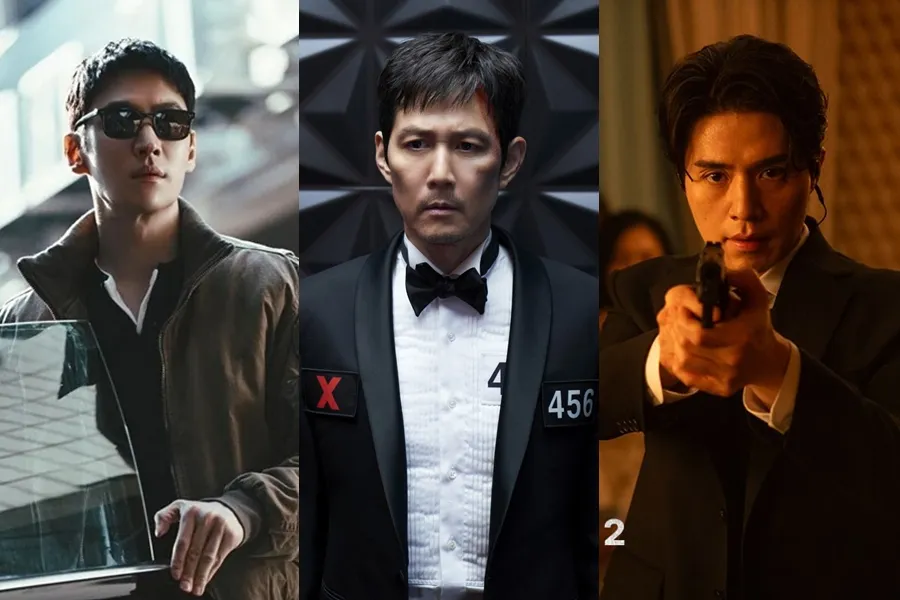
Recently, the public has shown greater trust in seasonal dramas that feature established worlds and character narratives, rather than new materials. The trend of ongoing discussions stemming from a solidified story arc is becoming more distinct.
Amidst the growing variety of domestic seasonal dramas, a project considered a benchmark case for Korean drama seasons finally meets its prospective viewers today (21st).
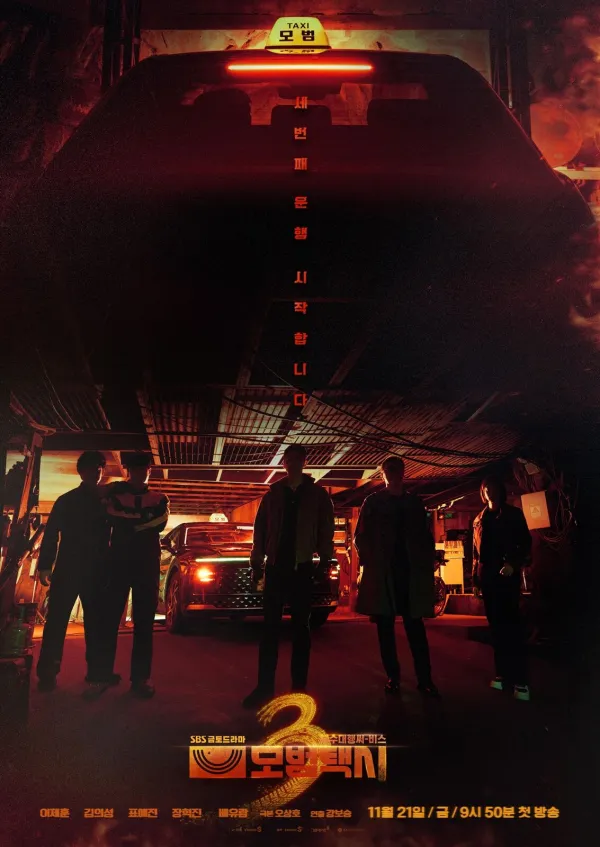
A standout example of a "successful seasonal" work is Taxi Driver. Regarded as the quintessential cider hero drama, the Taxi Driver series ranked 5th (21%) in viewership among all domestic terrestrial and cable dramas aired since 2023, and achieved remarkable results by winning the Best Drama Series at the 28th Asian Television Awards (ATA), establishing itself as a representative of Korean-style seasonal dramas.
With its return after two years, Taxi Driver 3 has proven the high public expectations with a spin-off video released ahead of its premiere today, surpassing 1.5 million views in just 48 hours.
The Taxi Driver series, which is based on real-life events, features a refreshing moral victory storyline and a continually expanding team dynamic each season, capturing both quality and fandom. As the seasons progressed, it has expanded its world without difficulty, and the solid chemistry of the cast members, including Lee Je-hoon, Kim Eui-sung, Pyo Ye-jin, Jang Hyuk-jin, and Bae Yu-ram, who have been with the series since season one, has significantly contributed to its popularity.
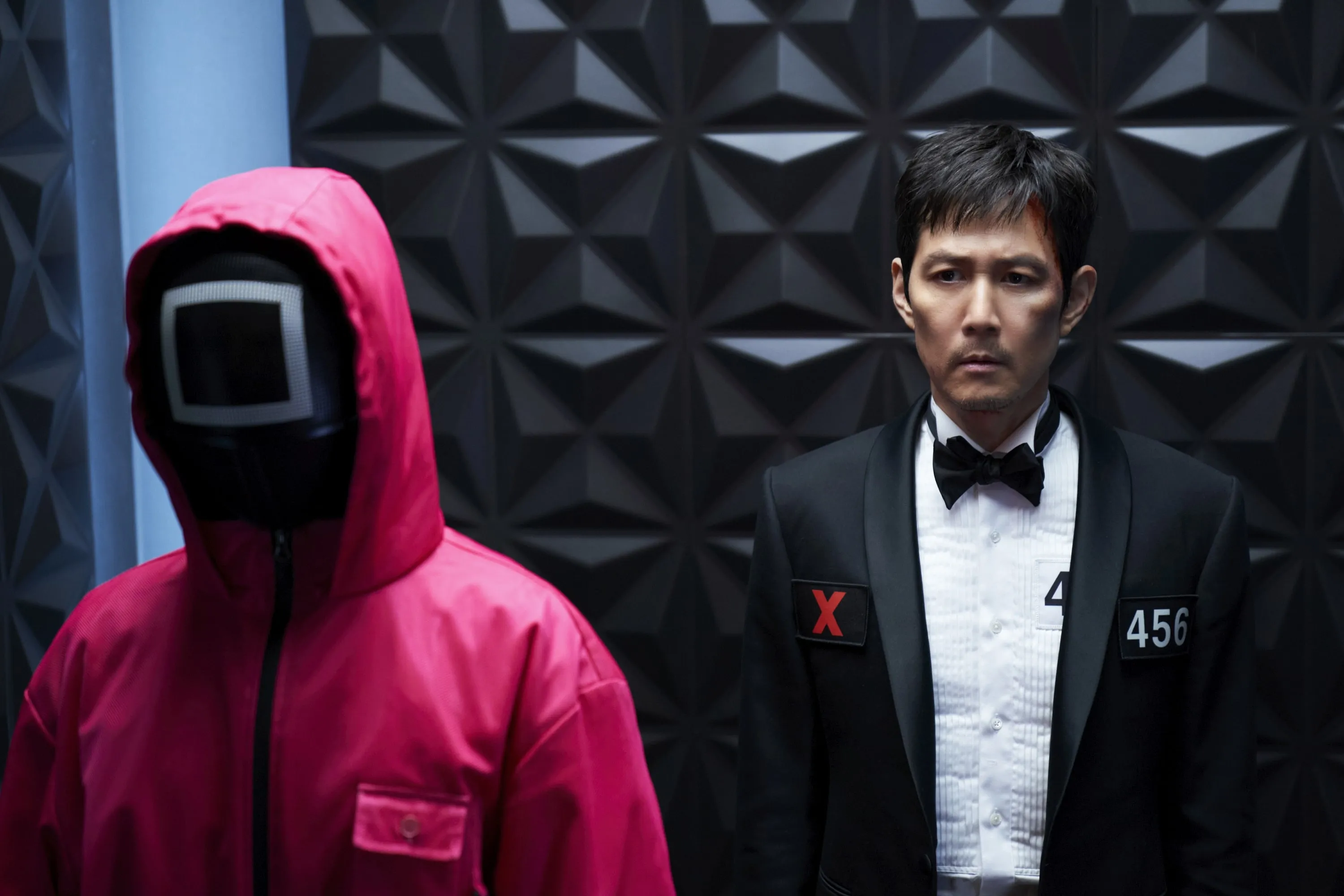
On the other hand, Squid Game 3 is regarded as a representative example that showcases the risks of seasonal formats. Following the global sensation of the first installment, the sequel faced criticism over identity instability and character overload, making it clear that "unconditional season extensions are not always the answer."

Meanwhile, Killer Shopping Mall 2, set to be released in 2026, is one of the works that will be closely watched for how it will be evaluated within the seasonal drama trend. Key points to observe include how it will continue the world built in the previous work and whether it can maintain the advantages of the seasonal format while introducing new tension and quality.
As the production environment shifts towards OTT and demand for long narratives increases, seasonal dramas are no longer a choice but a strategic approach. With examples of both success and failure coexisting, there is growing anticipation for the directions new seasonal works will take.