

As 2026 begins, many people find themselves standing at a quiet crossroads. Not everyone needs a dramatic reinvention or a perfectly mapped-out plan. Sometimes, what’s needed most is permission to pause, to fail gently, and to try again. Korean cinema has long captured this emotional space with stories of characters who stop, turn back, or begin anew in unexpected ways. To mark the New Year, here are three Korean films that speak directly to fresh starts, recovery, and the courage to continue.
◆ Taking a breather again: Little Forest

Burned out by city life, Hye-won (played by Kim Tae-ri) abruptly leaves Seoul and returns to her rural hometown. She doesn’t arrive with answers, nor with a clear plan for the future. What she brings instead is exhaustion — and honesty. In the quiet rhythm of the countryside, Hye-won begins to rebuild herself through small, tangible acts: cooking seasonal meals, tending a garden, and allowing her body and mind to rest.
As she reconnects with old friends Jae-ha (Ryu Jun-yeol) and Eun-sook (Jin Ki-joo), memories resurface, including unresolved feelings toward her mother, who once left home behind. Rather than pushing her toward a clear conclusion, the film lingers on the process of slowing down. Little Forest gently suggests that a fresh start doesn’t have to mean choosing a new destination — sometimes it begins by reclaiming a pace that doesn’t break you.
◆ Saying out loud, "I can do this": SAMJIN COMPANY ENGLISH CLASS
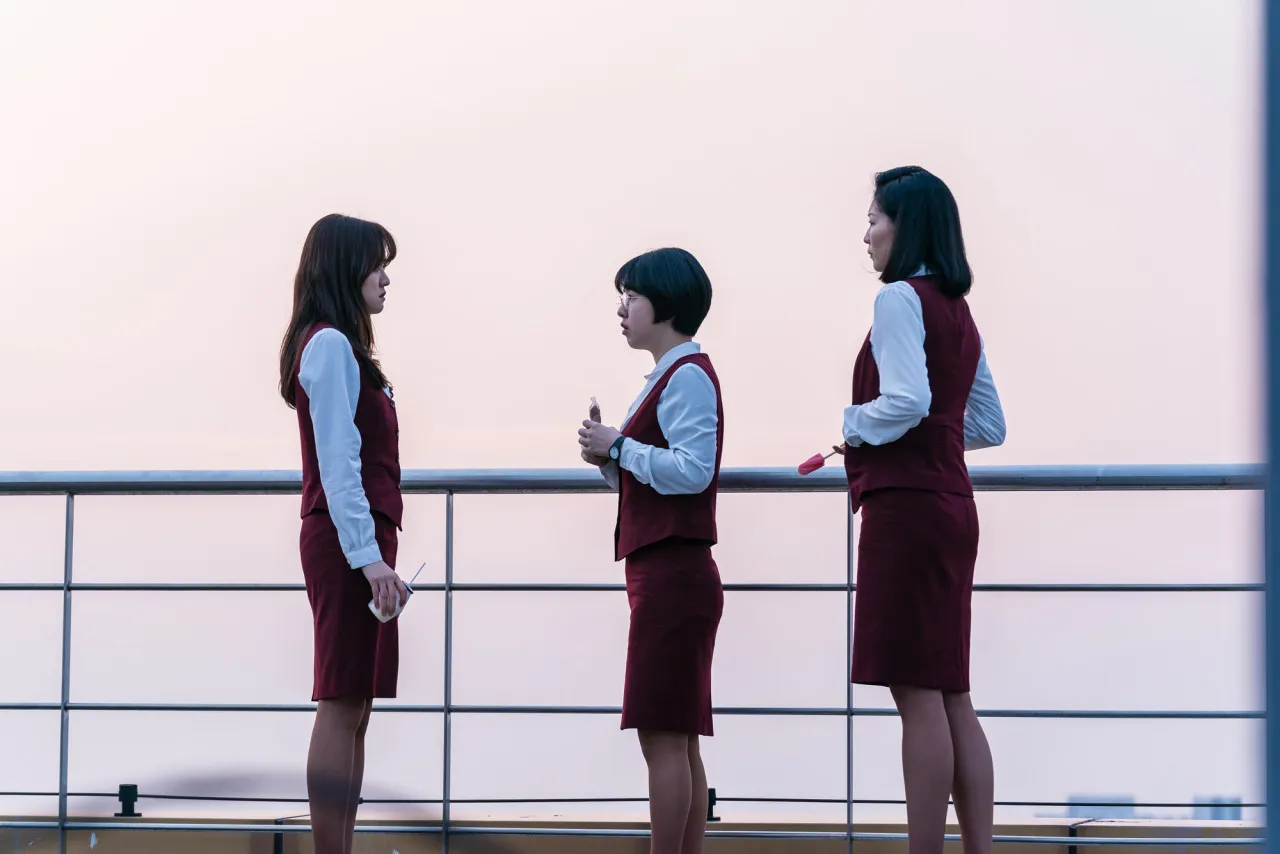
Set in 1995, Samjin Company English Class follows three female office workers — Ja-young (Go Ah-sung), Yu-na (Esom), and Bo-ram (Park Hye-su) — who are stuck in low-level positions at a large corporation. When they learn that a TOEIC score could open the door to promotion, they enroll in an after-hours English class, hoping for incremental change.
What begins as a modest attempt at self-improvement quickly evolves into something bigger. After uncovering evidence of illegal wastewater dumping by their company, the women are forced to confront not only corporate corruption, but also their own learned habit of staying silent. The film frames “starting over” not as quitting everything at once, but as the moment you decide to stop swallowing injustice. Their growth comes through solidarity, small acts of resistance, and the belief that even limited power can still be used meaningfully.
◆ Even if you fall, there's a rebound: Rebound
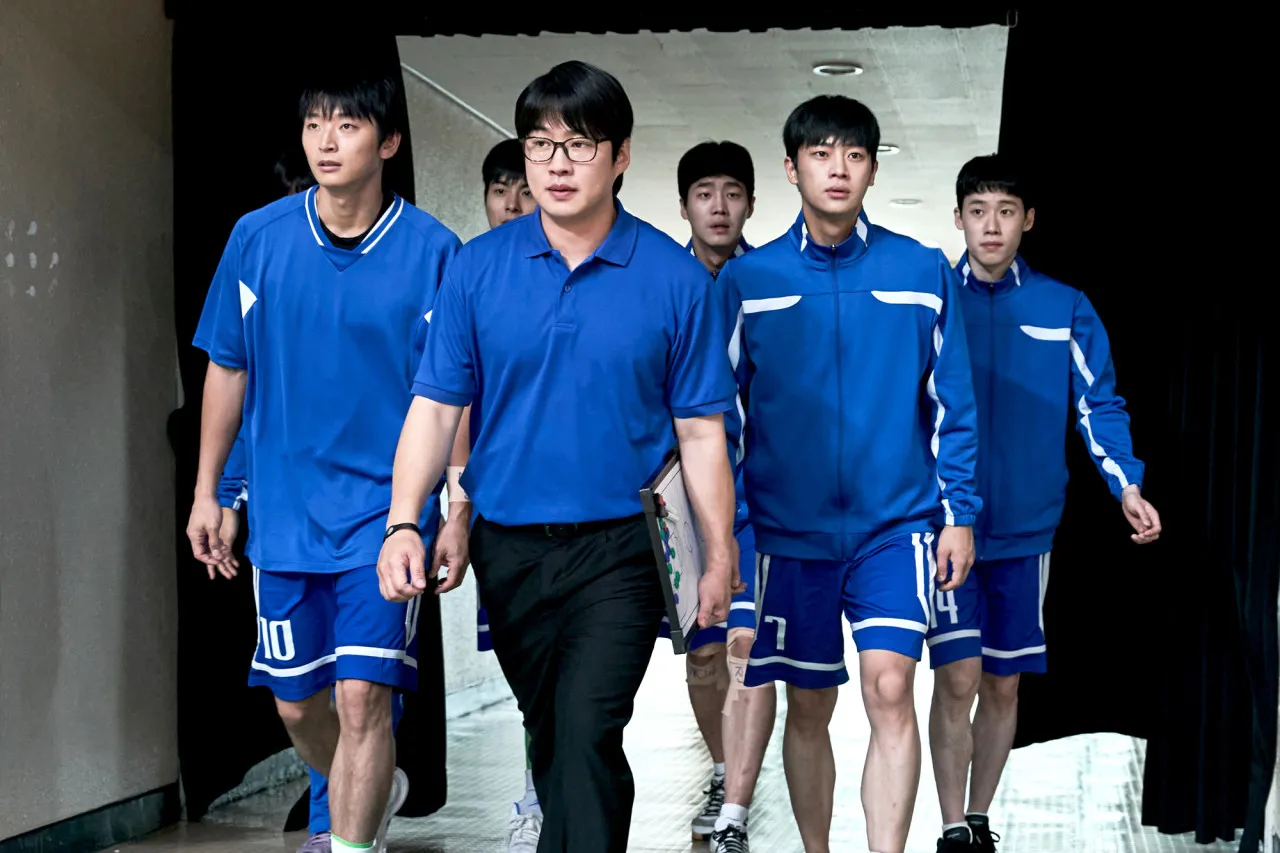
Based on a true story, Rebound centers on a struggling high school basketball team in Busan on the verge of disbandment. With a shortage of players, constant losses, and little faith from those around them, the team seems destined to fade out quietly. Enter Coach Yang-hyun (Ahn Jae-hong), who doesn’t promise miracles — only effort, honesty, and persistence.
After a crushing defeat in their first match, the film focuses not on instant redemption but on what happens afterward: the silence in the locker room, the choice to return to practice, and the slow rebuilding of trust among teammates. In basketball, a rebound is about retrieving the ball after a missed shot. In life, the film suggests, it’s about refusing to let one failure define the end. Rebound delivers a grounded reminder that progress is often made not in victory, but in showing up again after falling.
The New Year begins the same for everyone, but restarts look different for each person. Some need rest, some need resolve, and others need the courage to step back onto the court after a loss. These three films share a quiet but powerful message: you don’t need to erase who you were to become someone new — sometimes, starting again is simply continuing with greater honesty.