

Netflix's hit dating reality show Single's Inferno drops its fifth season tomorrow (20th) — and the buzz is already explosive. As the franchise keeps converting not only Korean viewers but global audiences, this comeback feels less like a routine premiere and more like a genre-defining heat-up moment. Powered by its game-like rule of "escape Inferno to reach Paradise" and nonstop viral moments, Single's Inferno has consistently delivered global results.
In Korean dating reality, the panel is almost as impactful as the cast. The production team behind Single's Inferno has even said some viewers "watch for the MCs' reactions." These real-time commentators channel the audience's feelings, translating the highs and lows of romance into our words — turning viewing into a full-on group experience.
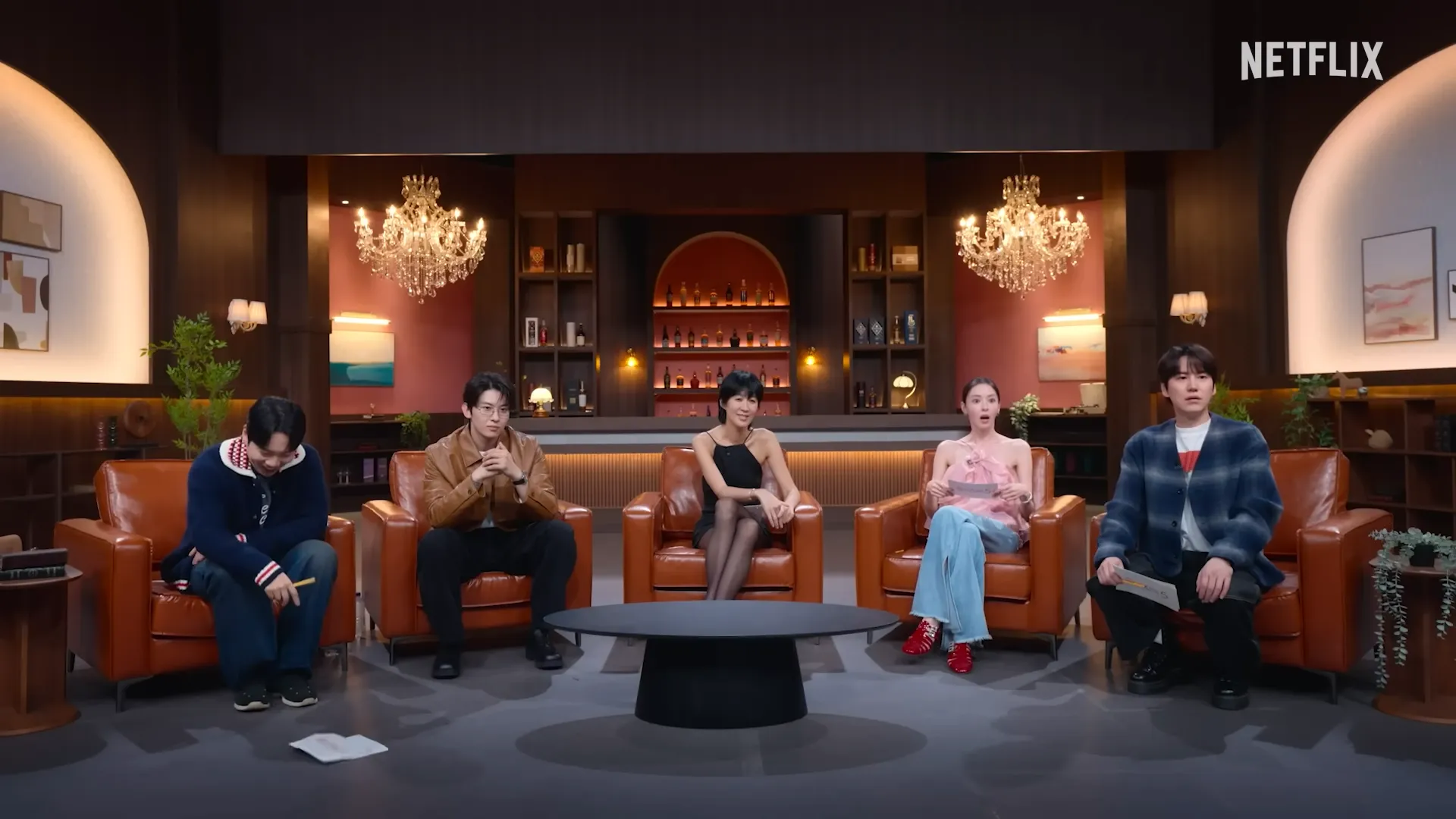
The boom of dating reality isn't a fluke. As Korean TV mastered observational formats, a style took root: write romance like a drama, show it like a doc. Viewers observe others' intimacy and vicariously experience the butterflies, conflict, and emotional swings — which studies say boosts satisfaction through immersion and surrogate gratification. Streaming sped everything up. Clips spread instantly, and with every episode spawning memes, dating shows have shifted from "content we watch together" to "content we talk about together."
Why are Korean dating shows especially strong? First, dating has expanded from a "private story" to a "social conversation." With more choices around dating, marriage, cohabitation, and staying single, watching others' relationships becomes a way to reflect on our own lives.
Second, the harder real-life dating gets, the more rewarding on-screen romance feels. Reports have flagged the paradox: fewer people date, yet dating shows surge. Third, watching has become a participatory game. Panel reactions speak for the audience, and on social media, prompts like "If that text was from me, who would I pick?" spark second-wave play. This setup turns viewers from spectators into "co-cast members." Analyses often cite empathy and vicarious satisfaction as core drivers.
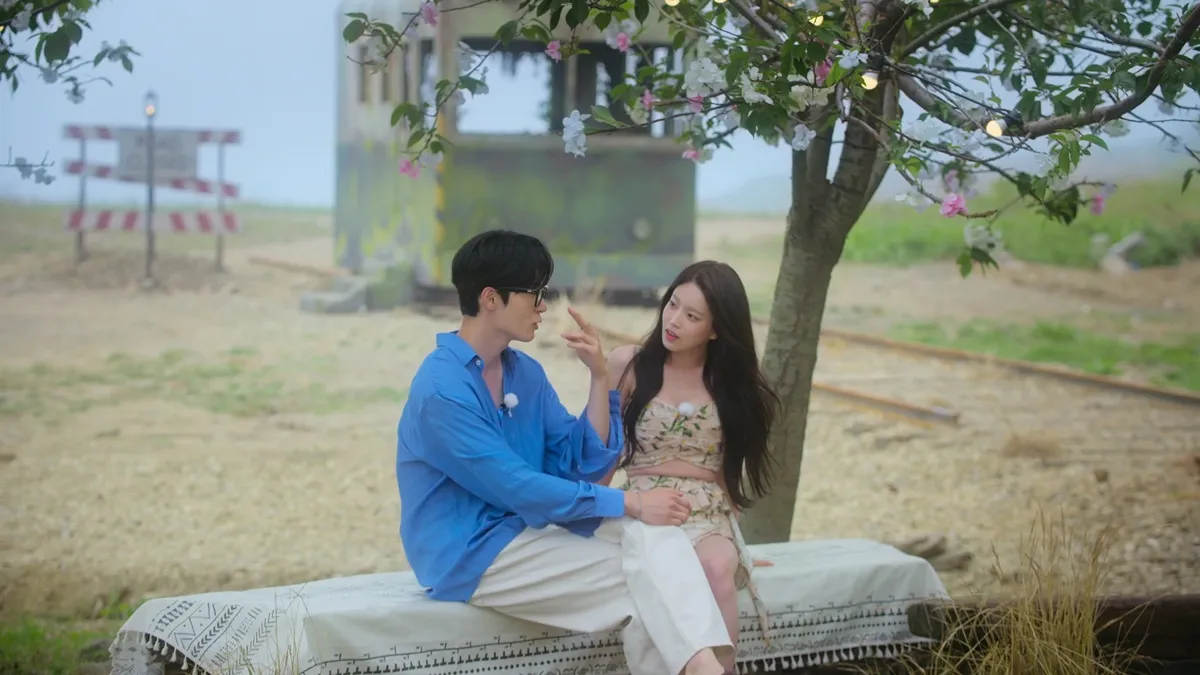
Early dating shows mainly observed the "birth" of relationships. As the genre grew, producers began engineering emotions through rules. A major turning point was the Heart Signal-style house-share format: contestants live together, send one anonymous message each night to express interest, and direct confessions are banned. This shifts romance from a straight confession to a deduction game — pushing viewers to analyze the web of relationships.
Then EXchange went further by pulling the "past" into the rulebook. Exes reunite under one roof but, for a set period, can't reveal or directly mention their ex. Mechanics like an "ex profile" drag memories back into play and upend the board. The format itself proves that love isn't just butterflies — it also holds regret, lingering feelings, and guilt.
Meanwhile, Netflix's Single's Inferno maximizes "in-the-moment attraction." Only couples can escape Inferno and head to Paradise, and limited information accelerates relationship speed.
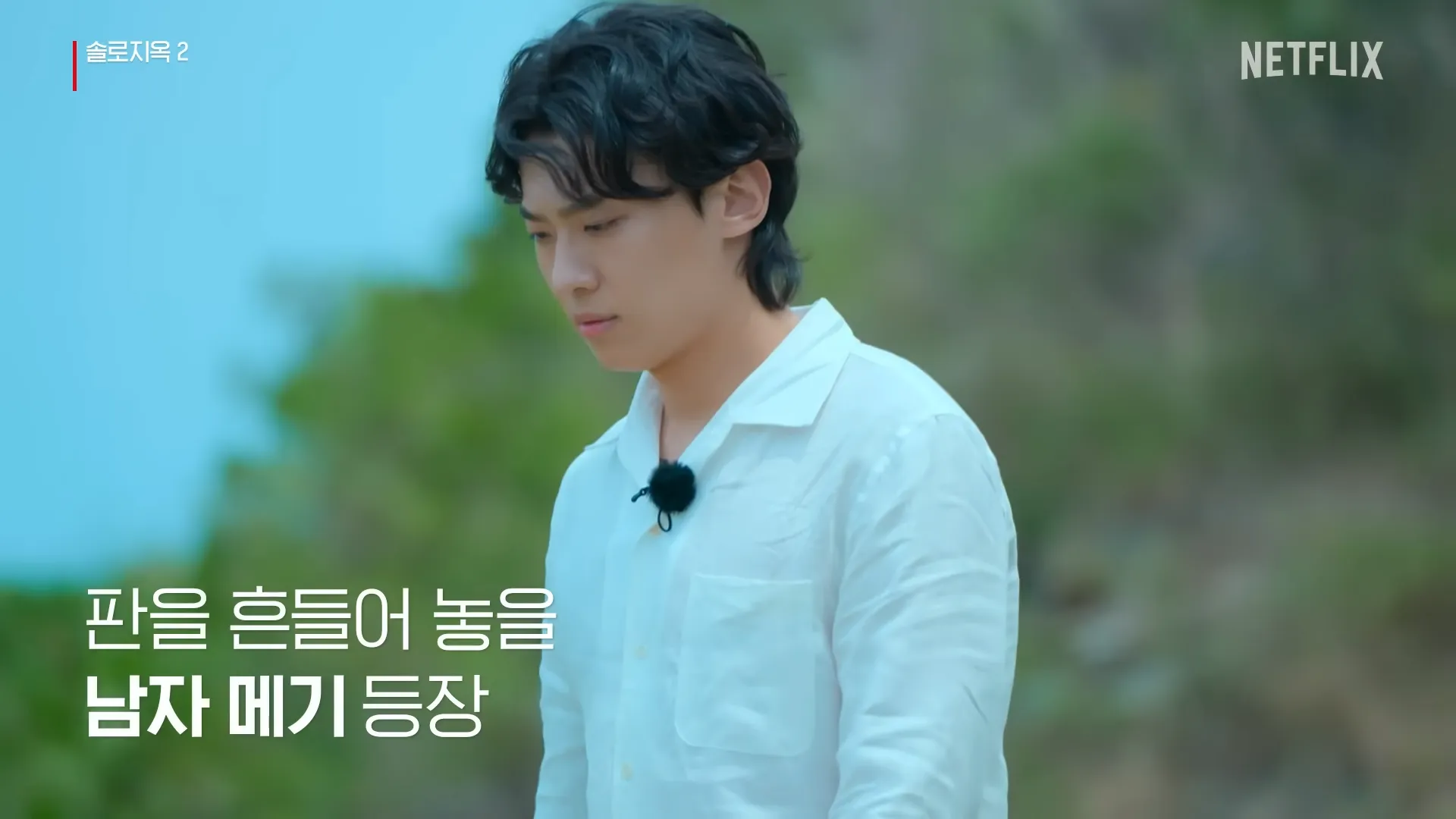
The now-essential "catfish" — a new mid-season entrant — crashes the party and rewires dynamics. This disruptor injects fresh options into a settling structure, turning "certainty" into "verification." The catfish reignites tension, rescues under-the-radar contestants, and reshuffles emotions all at once.
Each format deploys the device differently. In Single's Inferno, the catfish leverages Paradise date resources to trigger instant shockwaves. In EXchange, the catfish stirs up exes' lingering feelings and competitive sparks, forcing a faster choice between "reunite vs. reset." In Heart Signal, the catfish adds variables to the anonymous text info-game, resetting deductions and rewriting the flow of interest. Still, while it powers the fun, it can also demand heavy emotional labor from cast members — making production ethics (psychological care, anti-hate safeguards, post-show support) even more critical.

Korean dating reality blends real romance with game rules. If season five of Single's Inferno reignites the craze, expect the genre to invent "new rules" yet again. Not bigger shocks, but more convincing moments of choice may define the next era of dating shows.
If the season-five "go bigger" strategy — a key selling point for the 20th — lands, the industry will likely double down: more contestants, more granular choices, clearer episode-by-episode goals. If viewer fatigue rises, a counter-trend toward smaller casts, lower-stimulus storytelling, and authenticity could surface in parallel. As history shows, this genre always grows by feeding on its own backlash.