
Lee Hyuk-jae is once again at the center of public debate—this time, not over a new incident, but over how long the past should follow him.
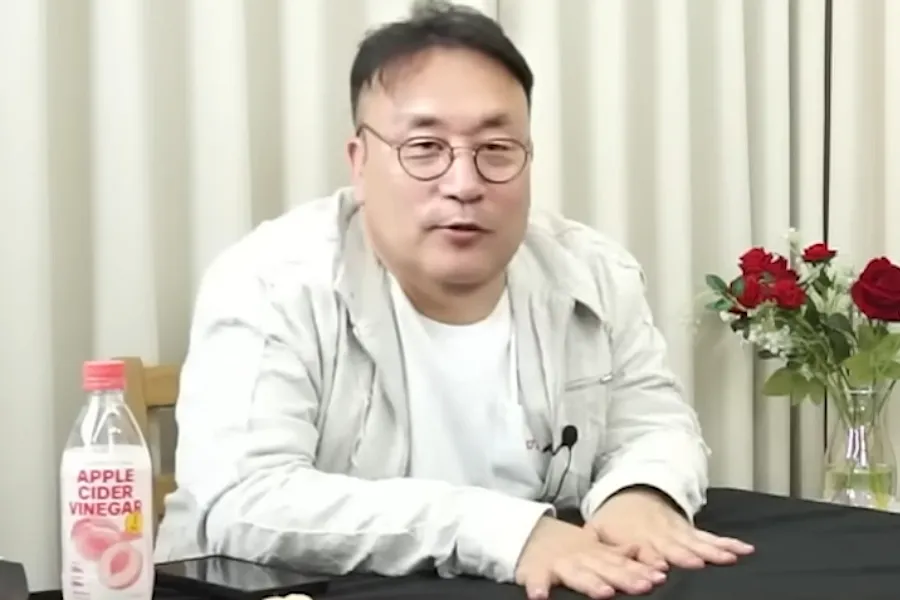
Appearing on a recent YouTube program, Lee addressed the backlash surrounding his appointment as a judge for a youth audition initiative tied to the People Power Party. Rather than sidestepping the issue, he confronted it directly, speaking about the weight of controversies that continue to define how he is seen.
“I haven’t been on TV for over four years,” he said, describing himself as someone now closer to an ordinary life than a public one. But despite stepping away, he questioned why previous incidents still resurface whenever his name reappears—asking, in frustration, where that leaves him now.
The criticism reignited soon after his selection as a judge was announced. While organizers pointed to his long broadcasting career, critics brought up a series of past issues, including an assault case and financial controversies, reopening public scrutiny.
Lee did not deny his past. Instead, he emphasized the steps he had already taken—fines, volunteer work, and what he described as a period of reflection. For him, the question is no longer about acknowledgment, but about limits: at what point does accountability end?
He also raised concerns about fairness, suggesting that reactions may differ depending on perceived political alignment. Those appearing alongside him echoed similar sentiments, questioning whether the level of criticism was consistent.
Despite anticipating controversy, Lee shared that he initially hesitated to accept the role but ultimately agreed out of respect for those who offered it—choosing to follow through rather than withdraw.
His remarks have only added another layer to an already divided response, where opinions remain sharply split between accountability and second chances.