
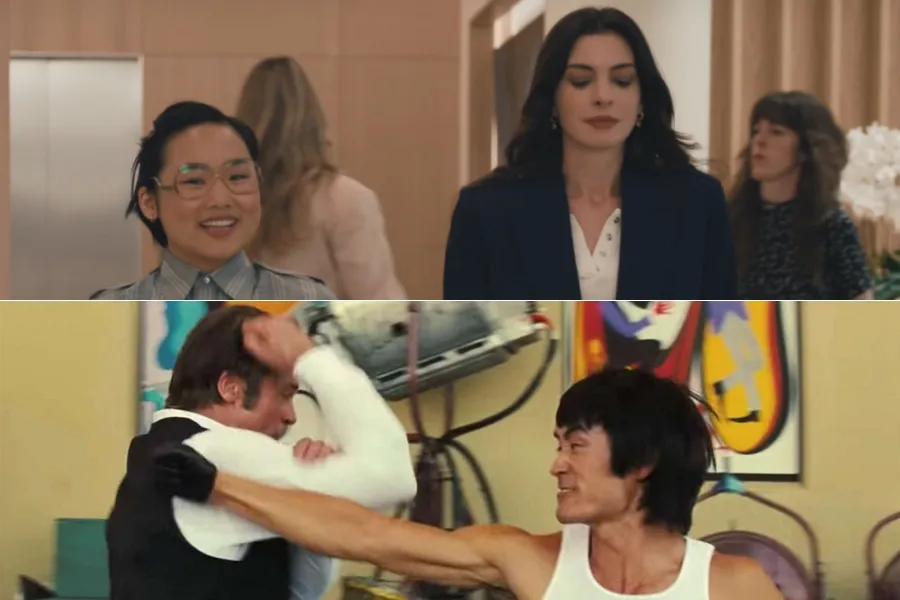
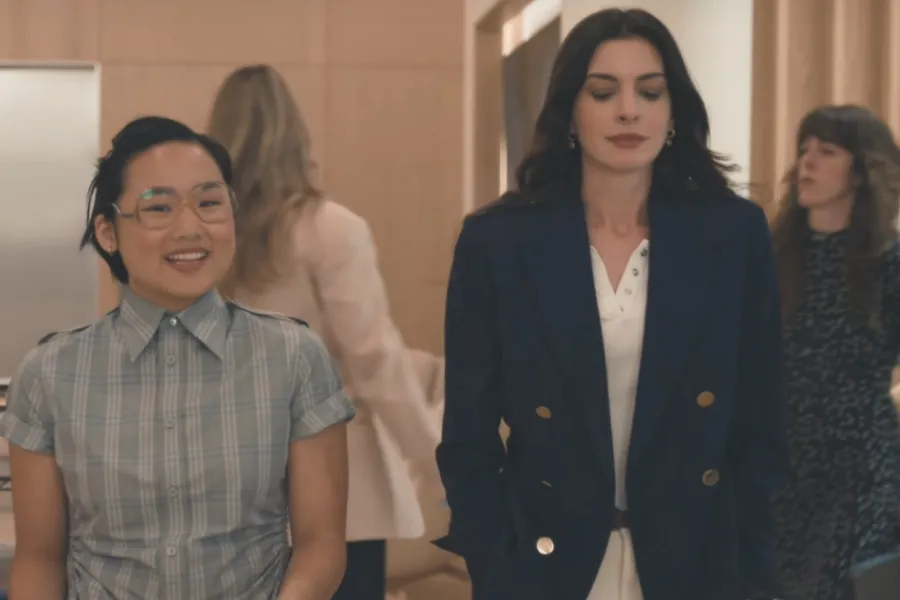
Backlash has erupted across Asia as the long-awaited sequel ‘The Devil Wears Prada 2’ returned after 20 years — only to face accusations of racist stereotyping of a Chinese character. Viewers criticized the character name Qin Zhou for sounding similar to a derogatory slur, while the character’s styling and portrayal also drew negative reactions. The controversy has led to calls for a boycott.
More than two decades into the 21st century, concerns about anti-Asian portrayals in Western films continue to surface. While overt practices like yellowface have declined, critics argue that Asian characters are still frequently reduced to stereotypes or used to support narratives centered on non-Asian leads. Several recent and widely discussed films have faced scrutiny over these issues.
◆ Once Upon a Time in Hollywood
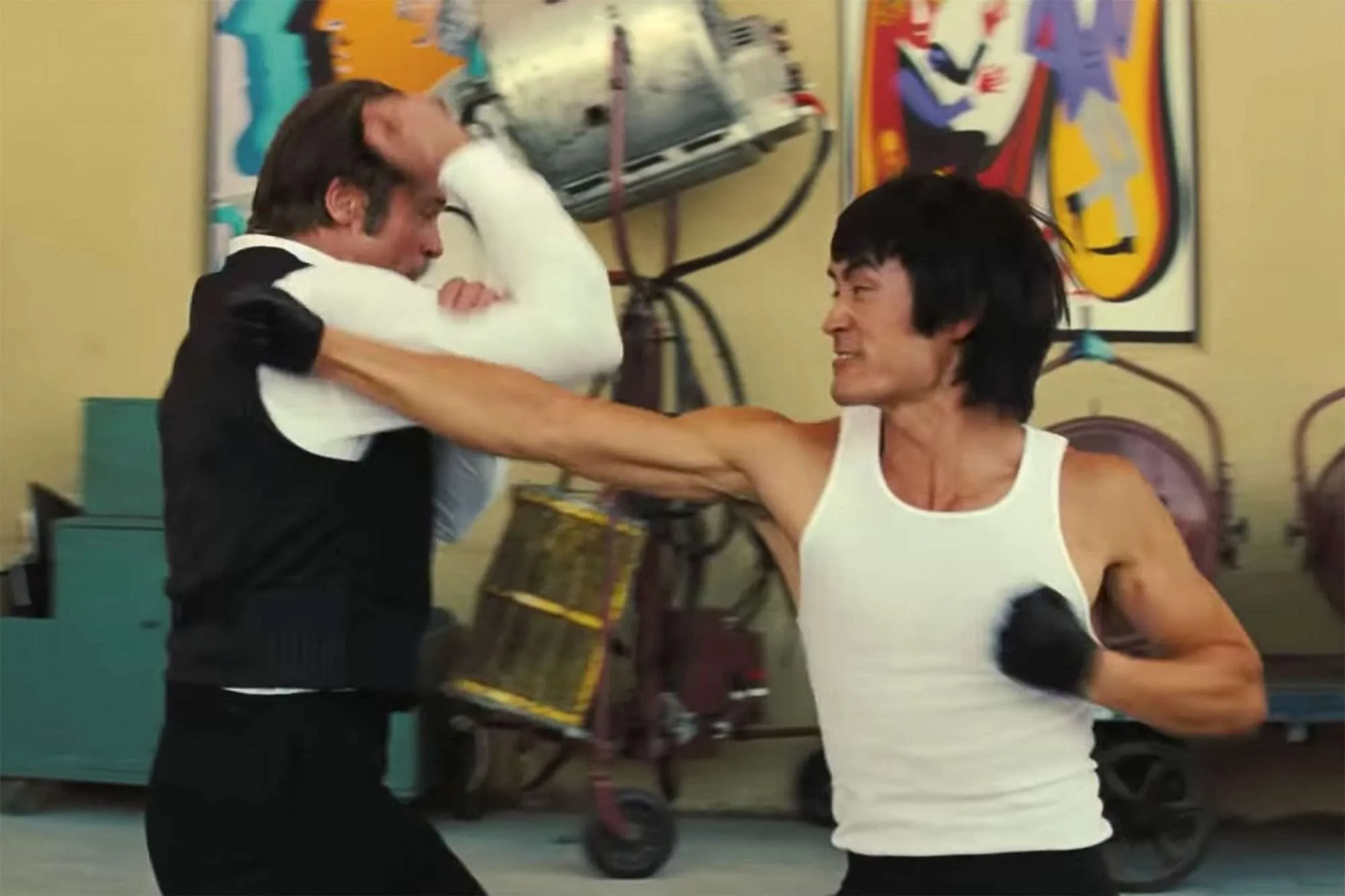
Quentin Tarantino’s 2019 film ‘Once Upon a Time in Hollywood,’ often described as a tribute to 1960s Hollywood, drew criticism for its portrayal of martial arts icon Bruce Lee. In the film, Lee is depicted as arrogant and is shown being overpowered by a fictional white stuntman.
Shannon Lee, Bruce Lee’s daughter, publicly criticized the portrayal, stating that it misrepresented her father. Kareem Abdul-Jabbar also expressed concern, describing the depiction as reductive. Tarantino responded by defending his interpretation, but the debate highlighted ongoing concerns about how Asian figures are represented in mainstream cinema.
◆ Licorice Pizza
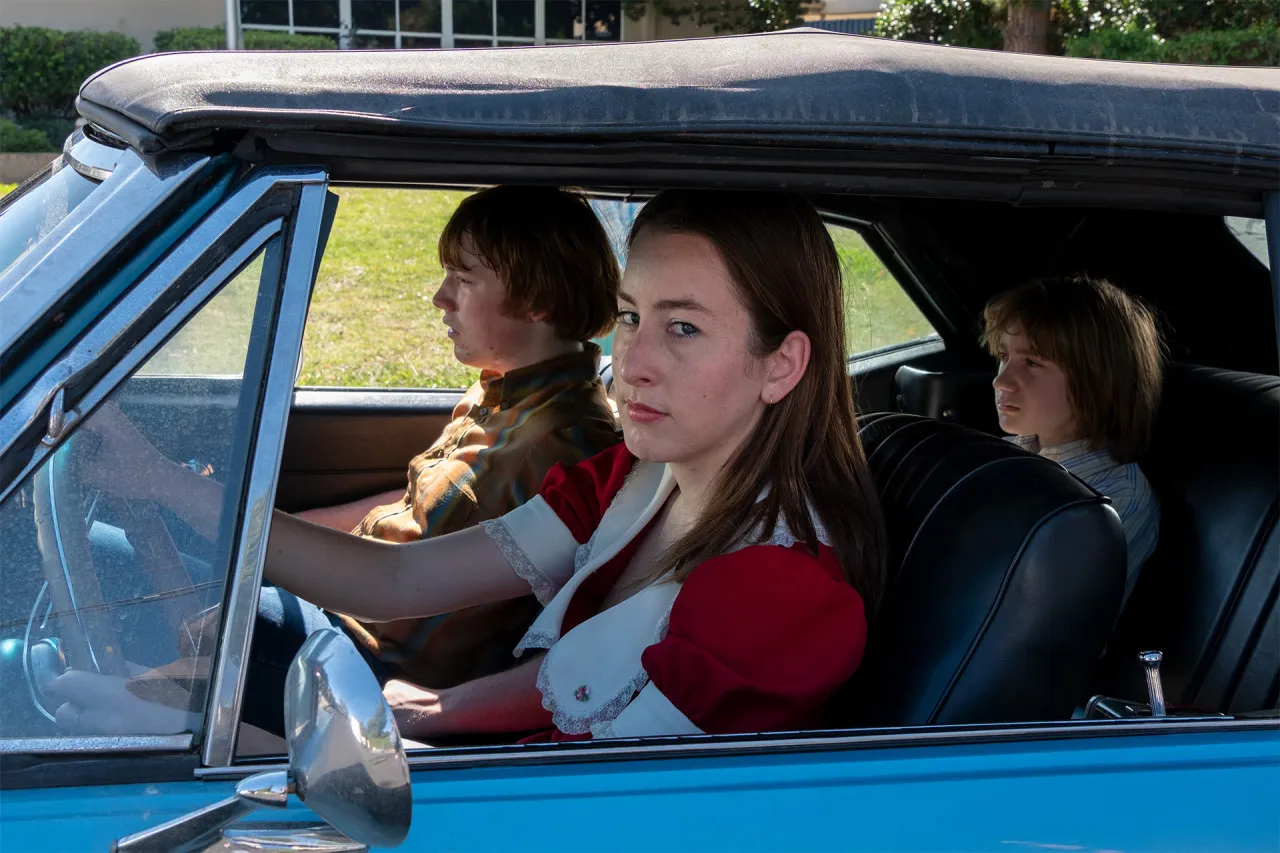
Paul Thomas Anderson’s ‘Licorice Pizza’ faced backlash from Asian American advocacy groups over scenes involving a white restaurant owner who speaks to his Japanese wives using a mock accent. Critics argued that the portrayal relied on outdated stereotypes for comedic effect.
The Media Action Network for Asian Americans (MANAA) issued a statement criticizing the film, noting that such depictions can reinforce harmful perceptions. Anderson stated that the scenes were intended to reflect the time period, but the controversy continued to generate discussion around representation and intent.
◆ Shang-Chi and the Legend of the Ten Rings
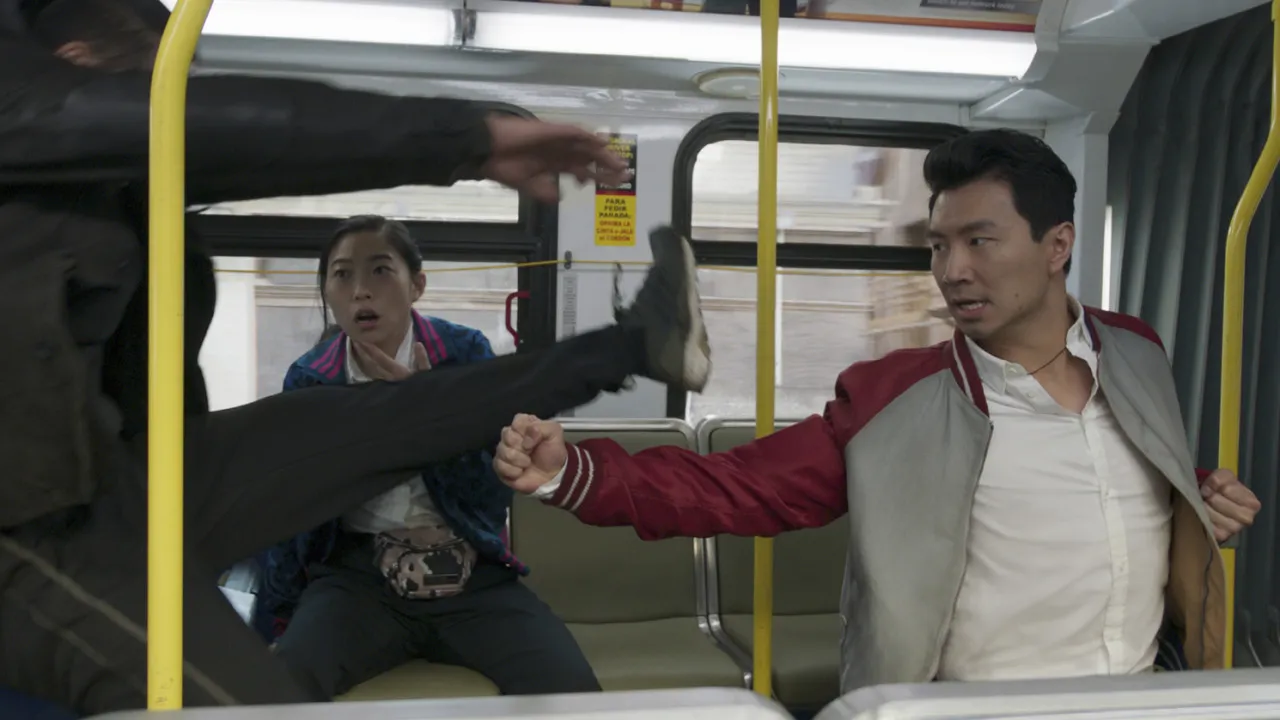
Marvel Studios’ ‘Shang-Chi and the Legend of the Ten Rings,’ the franchise’s first Asian-led superhero film, was also examined in the context of historical representation. The original comic source material included the character Fu Manchu, a long-standing Western stereotype portraying an “evil Oriental” figure.
In the film adaptation, this element was reworked into the character Wenwu, portrayed by Tony Leung, in an effort to present a more nuanced figure. However, some audiences remained critical of the franchise’s origins, pointing to the lasting impact of earlier portrayals. The film ultimately did not receive a theatrical release in mainland China, reflecting broader sensitivities around representation.