

When April 1 rolls around, many think of one word: lies. Depending on time, place, and circumstance, lies wear very different faces. A white lie can feel like kindness, but a malicious one eats away at trust. On screen, lies don’t just set up a twist — they power entire relationships.
Korean cinema is full of them. From secrets hidden in smartphones to lies baked into everyday power plays, we explored the many forms of deception that drive these stories.
◆ Intimate Strangers
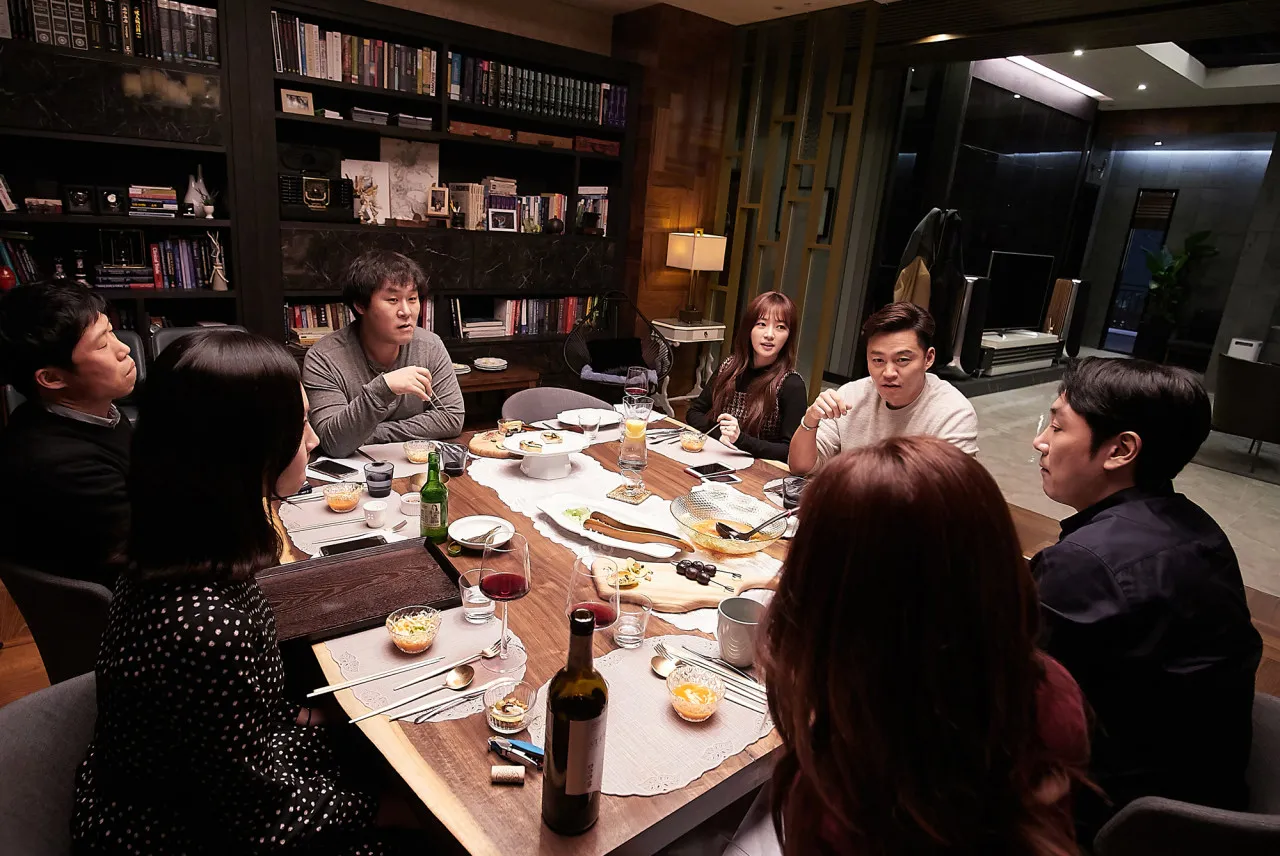
Old friends gather with their spouses for a housewarming dinner. To liven things up, one person suggests, "Let’s play a game tonight." The rules? Everyone places their phone on the table. If a call comes in, it’s on speaker. Texts and messenger alerts must be read aloud for all. It’s a cheeky setup — until the phones start revealing themselves as vaults of lies. Everyone has a contact they want to hide, a deleted thread, a notification that’s impossible to explain. With a single call or ping, love between seemingly normal couples fractures, and trust among friends cracks.
The thrill isn’t in a simple boom of "game over when the secret’s out" — it’s in that breath right before the reveal. To protect one lie, each character stacks on a bigger one, sparking more lies from everyone else. In the end, what’s scarier than the truth is "missing the right moment to tell it" forever. April Fools’ pranks don’t destroy relationships; it’s the pileup of little, everyday secrets exploding at once that redraws the lines. The question left on the dinner table is, "How well do we really know each other?"
Words traded over the table sound like the language of friendship, but beneath the frame, fingers tremble toward their phones. Someone fumbles to switch to silent and gets side‑eyed. Someone else throws out an over-the-top joke to distract. The more these small performances stack up, the more we feel that "a lie is the sum total of all the moves you make not to get caught." The film doesn’t paint lying as a villain’s thing. Excuses to protect love, silences to save face, delays to dodge guilt — they all shake people up. When the game ends, there’s no cathartic relief from exposing others, just the bitter truth that the closer we are, the bigger the "room of unspoken things" between us. It looks like a contest of "who’s more honest," but it’s really a test of "who hides better." Instead of condemning the characters, we see the fears, loneliness, and desires that gave birth to their lies — turning the film from a mere exposé into a relationship thriller.
◆ Parasite

The Kim family — all unemployed — scrapes by in a semi-basement, but their teamwork is unmatched. One day, son Ki-woo lands a tutoring opportunity at a rich household and slips into the upper-class home. The family turns that chance into a "team play." The catch? It’s not earned with honest credentials but with meticulously engineered lies. Ki-woo pads his education and experience, while daughter Ki-jung introduces herself with an entirely new identity. Together, they craft stories to push out the Parks’ current employees, climbing, slowly but surely, into the light.
Here, lying looks like a survival tactic — even a ladder for class mobility. But the higher the climb, the shakier the rungs. Small disguises pile up until everyone’s lie takes everyone else hostage, and one misstep means total collapse. When the upper class’s urge to look "good" overlaps with the lower class’s need to "hide poverty" under one roof, lies morph from personal choices into society’s operating system. This isn’t an April Fools’ gag — it’s a life-or-death deception that charges toward catastrophe.
The Parks’ home is spacious, bright, and meticulously ordered. Those who work there are treated as "necessary but invisible." The Kims’ cons slip right into that blind spot. References, interviews, introductions — everything clicks like a rehearsed script, and they say exactly what the other side wants to hear. The more the lies work, the easier life gets — but also the quieter and more careful they must be to avoid getting caught. The film steadily amplifies that dread, showing how "a place won with lies" demands a steep tax of anxiety. As the family locks in their roles, the Park household runs more perfectly — while the Kims become dangerously interdependent. If one lie is exposed, the entire family falls. That bond is held not by warmth but by tension — the film’s unsettling irony.
◆ Honest Candidate
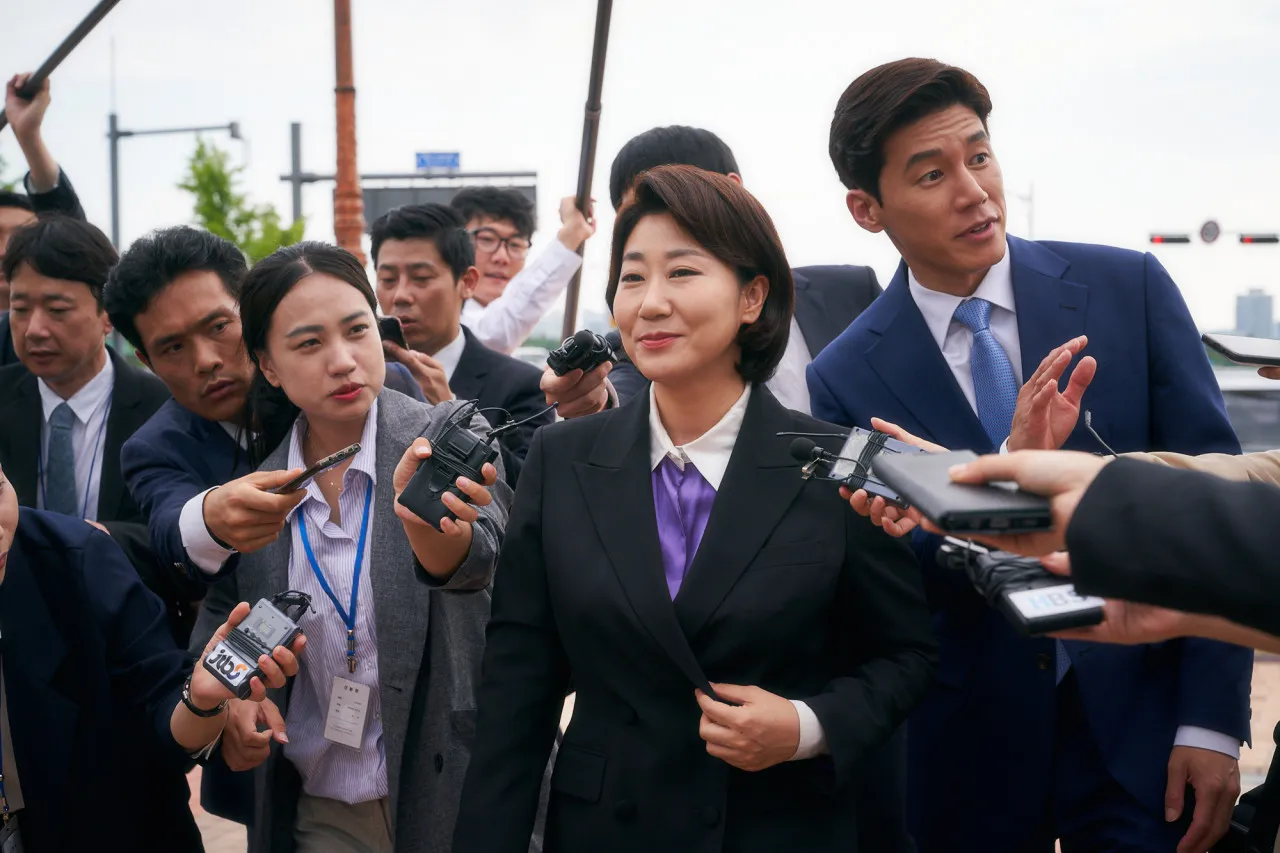
Three-term lawmaker Joo Sang-sook, for whom lying comes as easily as breathing, is gearing up for reelection with a flawless public image. She talks like a "refreshing straight-shooter for the people," but it’s all calculated performance and packaging. Then lightning strikes: overnight, for reasons unknown, she becomes incapable of lying. The second she opens her mouth, her true thoughts spill out, exposing all the weaknesses and vested interests she meant to hide. For someone who wielded lies as a weapon, forced honesty is a disaster.
The film mines the setup for laughs while skewering how lies operate as a technique of power. At first, Sang-sook dodges the truth to survive — then realizes lies didn’t protect her; they warped relationships and offloaded responsibility. Within elections, media, and organizational interests, a "system where lying is expected" corrupts people with alarming ease. On April Fools’ Day, lies can be funny; in real life, they can upend someone’s world. The film slices through that gap with biting satire.
Each time Sang-sook blurts out the truth, faces around her freeze — quickly turning into the bigger question, "How did politics end up like this?" Even her closest aides don’t welcome honesty, and the press treats truth like a commodity. As her hidden past and image-making machinery come to light, the film shows that lying isn’t a personality quirk but an entrenched "how to win elections" playbook. Rather than wrapping her arc in a neat feel-good tale, it finds humor in how uncomfortable and costly honesty really is. The premise may be ridiculous, but the more Sang-sook tells the truth, the more people around her double down on fake behavior — making the point that integrity isn’t just a personal virtue; society has to be ready to accept it.