
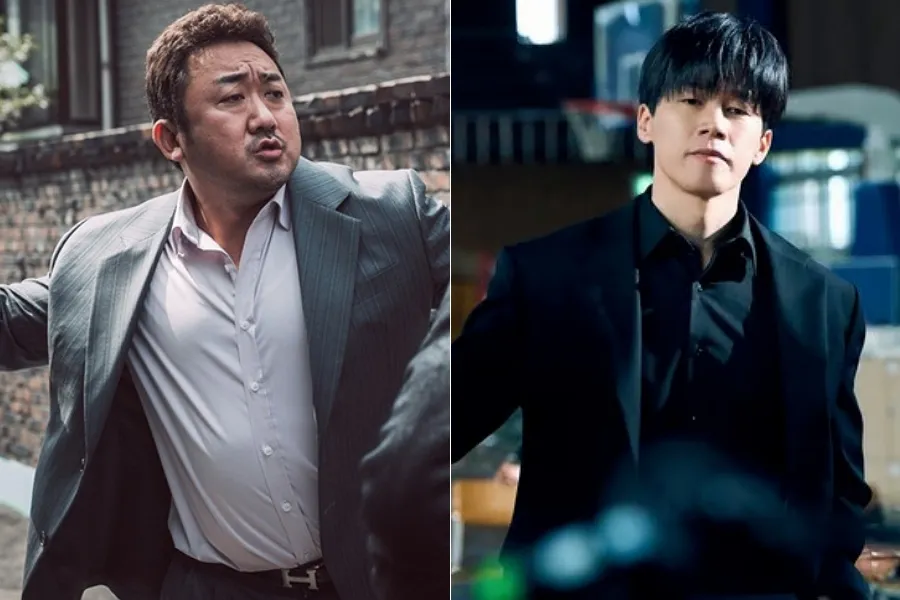
It’s no coincidence people are saying Netflix’s original series Teach You a Lesson feels like a “school edition of The Outlaws.” One side of the backdrop is a crumbling school; the other is a lawless street. The settings differ, but the emotional blueprint viewers experience is strikingly similar: in a frustrating reality where perpetrators often dodge consequences, a powerful lead barges in and delivers long-overdue payback. Both Teach You a Lesson and the The Outlaws franchise ride the now-viral formula of a cathartic retribution saga.
Teach You a Lesson reshapes real-life outrage from school violence, teacher authority violations, malicious complaints, and admissions corruption into tightly wound dramatic cases. When normal education breaks down, a fictional government body, the Teacher Rights Protection Bureau, steps in. Its inspectors confront boundary-crossing students and parents, as well as abusive teachers and staff, head-on. The core thrill comes from seeing wrongdoers pay relatively quickly—unlike in real life, where procedures stall and systems seem helpless. The show presents victims’ anguish first, then brings in the reckoning.
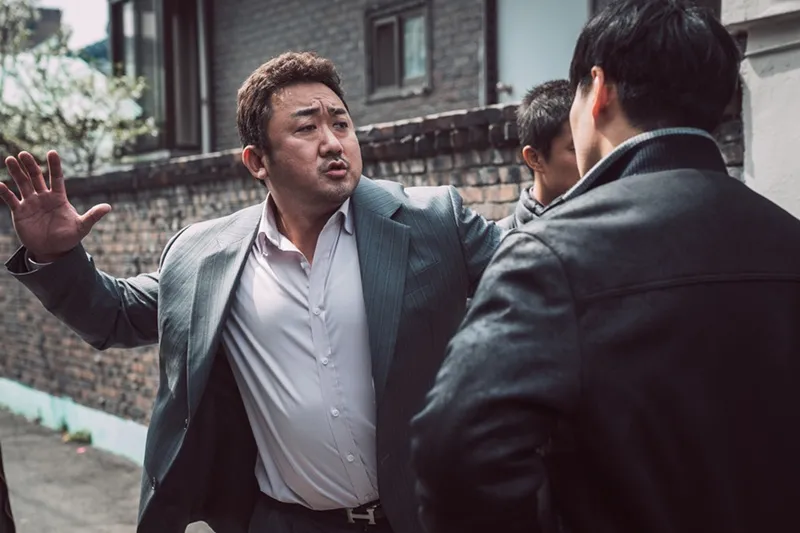
This is where the resemblance to the The Outlaws series really pops. Each film in The Outlaws pits Ma Seok-do (played by Ma Dong-seok) against a terrifying villain, and he crushes evil with overwhelming force and deadpan humor. Audiences don’t crave a complex mind game—they crave the simple, powerful payoff that “the bad guy always gets caught.” Teach You a Lesson mirrors this satisfaction by setting up a problematic abuser each episode, then unleashing the Bureau to close in. Out in the streets, criminals crumble before a cop’s fist; inside the school, abusers fold when inspectors step in.
Both works also draw a clear moral line. The villains in The Outlaws exploit and brutalize victims; the offenders in Teach You a Lesson torment the vulnerable or abuse authority within the school system. They’re designed to ignite viewers’ anger, which keeps the story racing forward. Instead of dwelling on a villain’s tragic backstory, the narrative centers the victim’s pain—so when retribution lands, the catharsis explodes. Together, the two titles prove why age-old ideas like moral victory and just deserts still hit hard.
The humor syncs up, too. The Outlaws defuses the brutality of its gritty action with Ma Seok-do’s quips and character comedy. Teach You a Lesson likewise avoids treating education issues with unrelenting solemnity; it boosts engagement with genre exaggeration and high-energy characters. Because the content resolves problems swiftly and decisively—unlike in reality—viewers can momentarily forget the discomfort of real life and indulge in the rush.
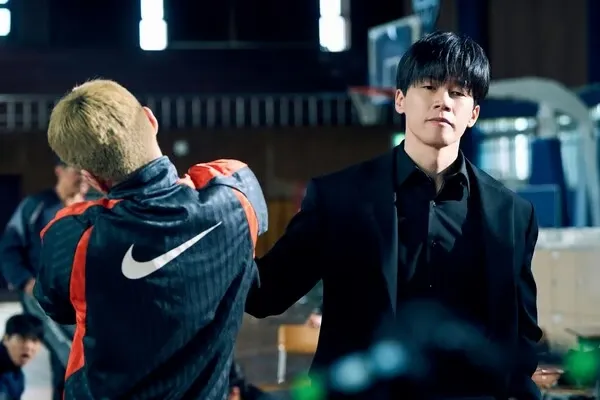
But the differences are just as clear. The Outlaws is, at its core, a cop-action franchise. Viewers more easily accept Ma Seok-do’s beatdowns as genre fantasy. Teach You a Lesson, on the other hand, tackles far more immediate realities—teacher authority, student rights, and parent complaints—so the ripple effect is different. Violence in The Outlaws reads as entertainment, but the retribution in Teach You a Lesson directly raises the question: “What solutions does the real education system actually need?”
That’s why Teach You a Lesson faces unavoidable criticism as a private-justice fantasy. Sure, it’s exhilarating when a tough inspector storms into a broken classroom and fixes everything—but real schools don’t run on fists and pressure. They need legal and institutional reform. Protecting teachers’ authority, safeguarding victims, and setting up mechanisms to tackle malicious complaints and school violence can’t be solved by one heroic intervention. This is the key dividing line between The Outlaws and Teach You a Lesson.
At a glance, Teach You a Lesson can look like a school-set The Outlaws: clear-cut villains, delayed justice delivered by a powerhouse lead, and that soda-pop burst of comeuppance. But while The Outlaws serves up legal justice as genre entertainment, Teach You a Lesson pokes at the raw wounds of education and leaves tougher, more sensitive questions behind. The thrill may be similar, but the stakes of the debate are not. That’s why Teach You a Lesson shouldn’t be dismissed as just a school spin-off of The Outlaws—it also makes us ask why audiences today crave these retribution stories so intensely.

Meanwhile, Teach You a Lesson has surged to No. 2 globally in Netflix TV shows as of the 10th, according to FlixPatrol. Since its June 5 premiere, it has held No. 1 in Korea and topped the charts in 43 countries—up 16 countries in just one day from 27 the day prior.
Since its 2017 debut, The Outlaws has scored three consecutive 10-million-ticket smashes with Parts 2 through 4, cementing itself as Korea’s top-grossing action franchise. The fifth installment is now in the works and is expected to hit theaters in 2027.