
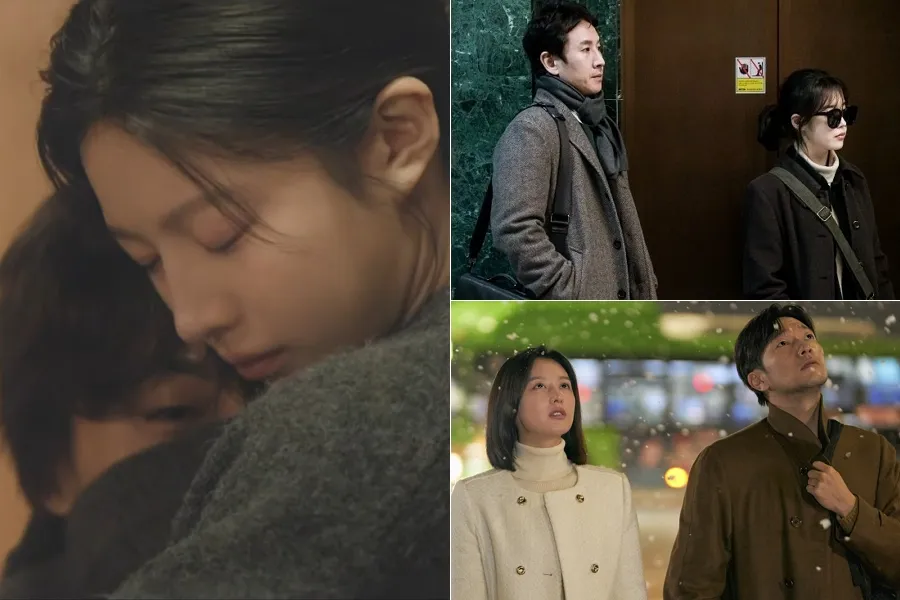
As JTBC’s drama We Are All Trying Here moves past its midpoint, a shocking backlash has erupted over a directing choice — the now-viral “cardigan hug” from Episode 9, which aired on the 16th.
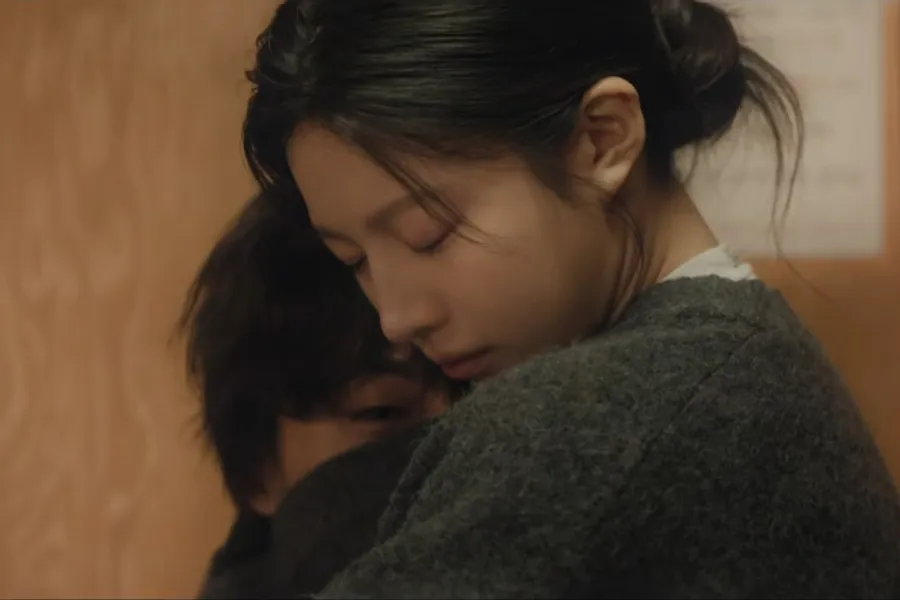
In that episode, Hwang Dong-man (played by Koo Kyo-hwan), a would-be film director who has failed to debut for 20 years, signs a funding contract with the Film Promotion Association and then seeks comfort from producing PD Byun Eun-a (Go Youn-jung). During this, Eun-a pulls Dong-man into the inside of the cardigan she is wearing, enveloping him in an embrace — a staging choice that aired as-is.
Right after broadcast, the scene exploded across online communities and social media. Some viewers praised it as “warm solidarity and comfort born out of deep lack,” while others blasted it as “oddly infantile and bizarre for a romance between two grown adults” and “demeaning for reducing a woman’s body to a maternal prop.” Many argue that showing a wounded man’s salvation as burrowing into an adult woman’s clothing is a regressive trope — a directorial misstep that crosses today’s ethical and gender-representation lines, regardless of the drama’s philosophical ambitions.
To understand the cardigan-hug controversy, it helps to examine writer Park Hae-young’s signature voice and character-building. Park rejects the neat fantasies that mass media often serves. Instead, she centers people chewed up by capitalism, ground down by daily life, and drowning in a sense of worthlessness — as if they’ve “thrown themselves into the trash.”
Hwang Dong-man fits that mold. Still dreaming of a debut after 20 years, he’s become frenzied by envy and resentment — the kind of abrasive “everyone-is-fair-game” cynic who can easily repel others. In Park’s works, characters only find solidarity after witnessing each other’s ugliest, weakest lows. Their bonds aren’t sweet romance; they carry the weight of “salvation for a fellow human.”
But Park’s choice to visualize deprivation, squalor, and hard-won redemption by throwing raw discomfort onto the screen — poverty, moral failings, and irrational behavior — repeatedly lights the fuse of conflict. The cardigan hug may have aimed to magnify Dong-man’s utter collapse and Eun-a’s unconditional acceptance, yet critics say it overstepped contemporary gender sensitivity and the ethics of representation.
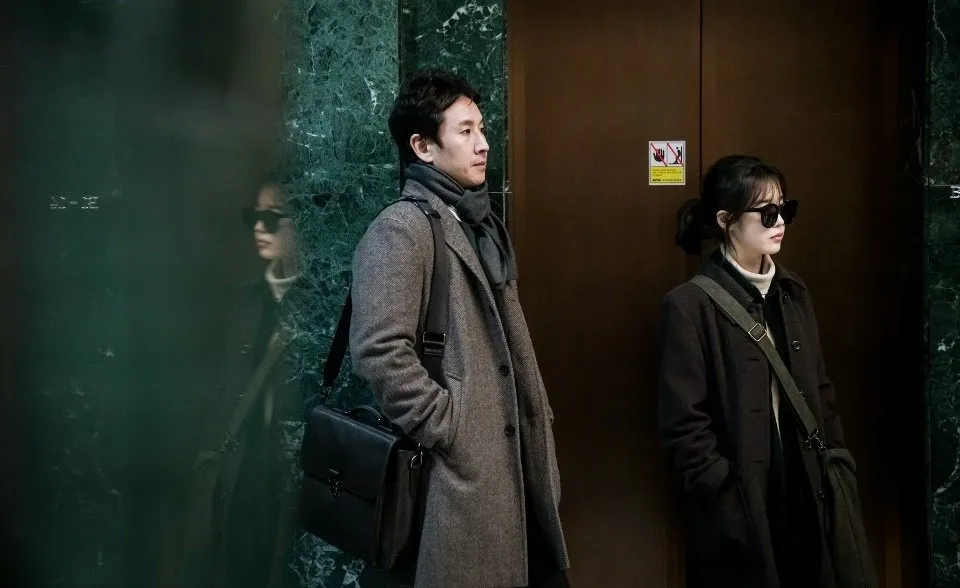
This isn’t the first time Park’s work came under fire mid-broadcast for how it portrays difficult realities. The most cited example is tvN’s My Mister (2018). Early on, the setup between twenty-something Lee Ji-an (Lee Ji-eun/IU) and forty-something Park Dong-hoon (Lee Sun-kyun) sparked accusations of romanticizing a power-imbalanced relationship. Above all, Episode 1 aired an unfiltered scene of loan shark Lee Kwang-il (Jang Ki-yong) brutally assaulting Ji-an, triggering major backlash. Complaints poured into the Korea Communications Standards Commission, with harsh criticism that it “sensationalized dating violence and violence against women on primetime TV.”
Yet as episodes progressed, the drama flipped the narrative, winning praise as a life-affirming story about two people’s profound solidarity. It even took home the Baeksang Arts Award for Best TV Drama. The writer’s deep compassion ultimately persuaded viewers — though the early decision to lean on extreme, violent imagery to spotlight the pain of the vulnerable remains a lasting mark against the show in media critique.
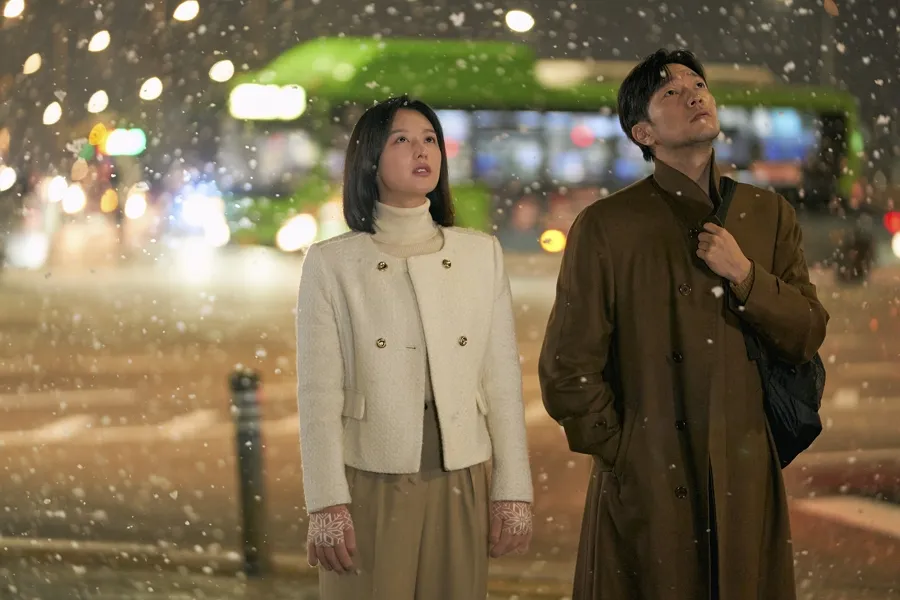
JTBC’s My Liberation Notes (2022) also handed viewers a heavy moral dilemma. The story of three siblings commuting from the outskirts of Gyeonggi Province to Seoul was hailed for nailing modern burnout. But a torrent of criticism followed when the true identity of male lead Mr. Gu (Son Suk-ku) came to light. The taciturn man who quietly worked in the countryside and shared mutual “worship” with Yeom Mi-jeong (Kim Ji-won) was revealed to be a former gangster who managed a Gangnam host bar — a twist that many felt betrayed them. After the reveal, online discourse slammed the show for “romanticizing a criminal by casting an illegal nightlife boss as the leading man.”
Park set out to prove that even those at rock bottom can be saved by cheering someone on without conditions. But because that “bottom” was directly tied to the real-world illegal sex-entertainment industry, audiences couldn’t accept it as mere literary metaphor. Critics argued the show romanticized a grim slice of reality through the filters of romance and narrative.
The controversies in Park Hae-young’s dramas share a clear through line: to visualize extreme worthlessness and dramatic salvation, she sometimes pushes choices that collide with viewers’ ethical sense and common standards. The cardigan-hug scene can’t fully escape the charge that it objectifies a woman as a maternal instrument and refuge to rescue a wounded male artist. Audiences remember how My Mister overcame its early furor to become a classic — but they also remember the limits of narrative romanticization exposed by My Liberation Notes.
Today’s viewers won’t excuse outdated staging or gender instrumentalization just because a work’s philosophy or literary craft is strong. With We Are All Trying Here set to end on the 24th, all eyes are on whether it can overcome this bizarre, unsettling directorial choice and ultimately win viewers over.