
The 2026 FIFA World Cup in North and Central America has kicked off, but the TV industry’s excitement isn’t what it used to be. In past World Cup seasons, variety shows rushed out soccer-themed specials. Celebrity cheering squads, former national team players as commentators, street-viewing segments, and guest spots with World Cup stars flooded the airwaves. Networks buzzed with a fiery red fever even before the opening match — but this time is different. There are some specials, but the full-on, network-wide World Cup mode has clearly faded.
That doesn’t necessarily mean the World Cup’s popularity has cooled. It remains one of the world’s biggest sporting events. According to FIFA, the 2022 Qatar World Cup reached 5 billion fans worldwide across TV, digital, and social media, and the Argentina–France final drew interest from over 1.4 billion people. In Korea, the national team’s matches still pull massive numbers: the Korea vs. Uruguay game at the 2022 Qatar World Cup hit a combined nationwide TV rating of 41.7% across the three terrestrial broadcasters (Nielsen Korea). It’s not that the World Cup has disappeared — it’s that how people consume it has changed.
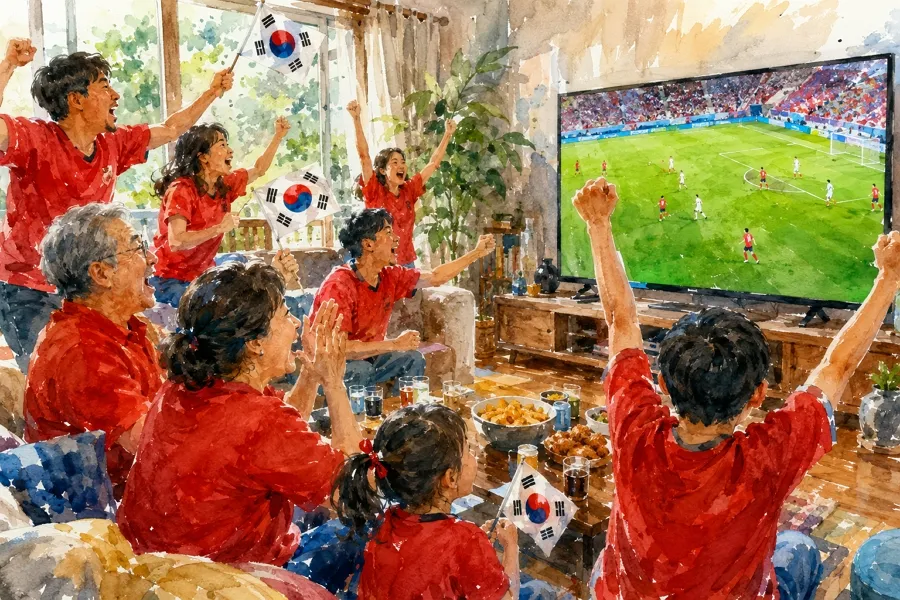
One major shift is the broadcast-rights landscape. This tournament’s domestic coverage is centered on JTBC and KBS. In the past, the three terrestrial networks competed for rights and mobilized variety, news, and culture programs to build World Cup hype. This time, JTBC secured the rights first and entered negotiations with the big three; talks fell through with MBC and SBS, splintering the industry’s overall firepower. For networks without rights, there’s less incentive to pour budgets into large-scale World Cup variety specials. Naturally, the World Cup has narrowed from an all-network festival to an event led by rightsholding channels.
The time difference is another factor. With matches in North and Central America, many air at dawn or in the morning for Korean viewers. That kills the classic prime-time flow where families and friends gather to cheer in the evening, and variety or talk shows pick up the energy right after the game. Variety shows thrive when they sync with viewers’ daily rhythm, but with most matches at dawn and in the morning, there are fewer touchpoints for specials to latch onto.
Mobile-first viewing habits also play a massive role. Fans no longer feel compelled to watch only live TV broadcasts. Goal moments become highlight clips within minutes, player interviews spread as short-form videos, and tactical breakdowns go viral on YouTube and community forums. In the past, broadcasters set the World Cup mood and audiences followed; now, the public cherry-picks only what they want on their own platforms. The hype is still there, but it no longer transfers straight into variety-show lineups.
Production costs can’t be ignored either. World Cup variety specials are expensive — overseas shoots, booking legends, set builds, live-link tie-ins — yet today’s ad market isn’t as generous, and ratings are far from guaranteed. Outcomes swing wildly depending on the national team’s performance, kickoff times, and online buzz, making the risk daunting for networks. So instead of rolling out brand-new mega specials, broadcasters are opting to sprinkle World Cup elements into existing programs.
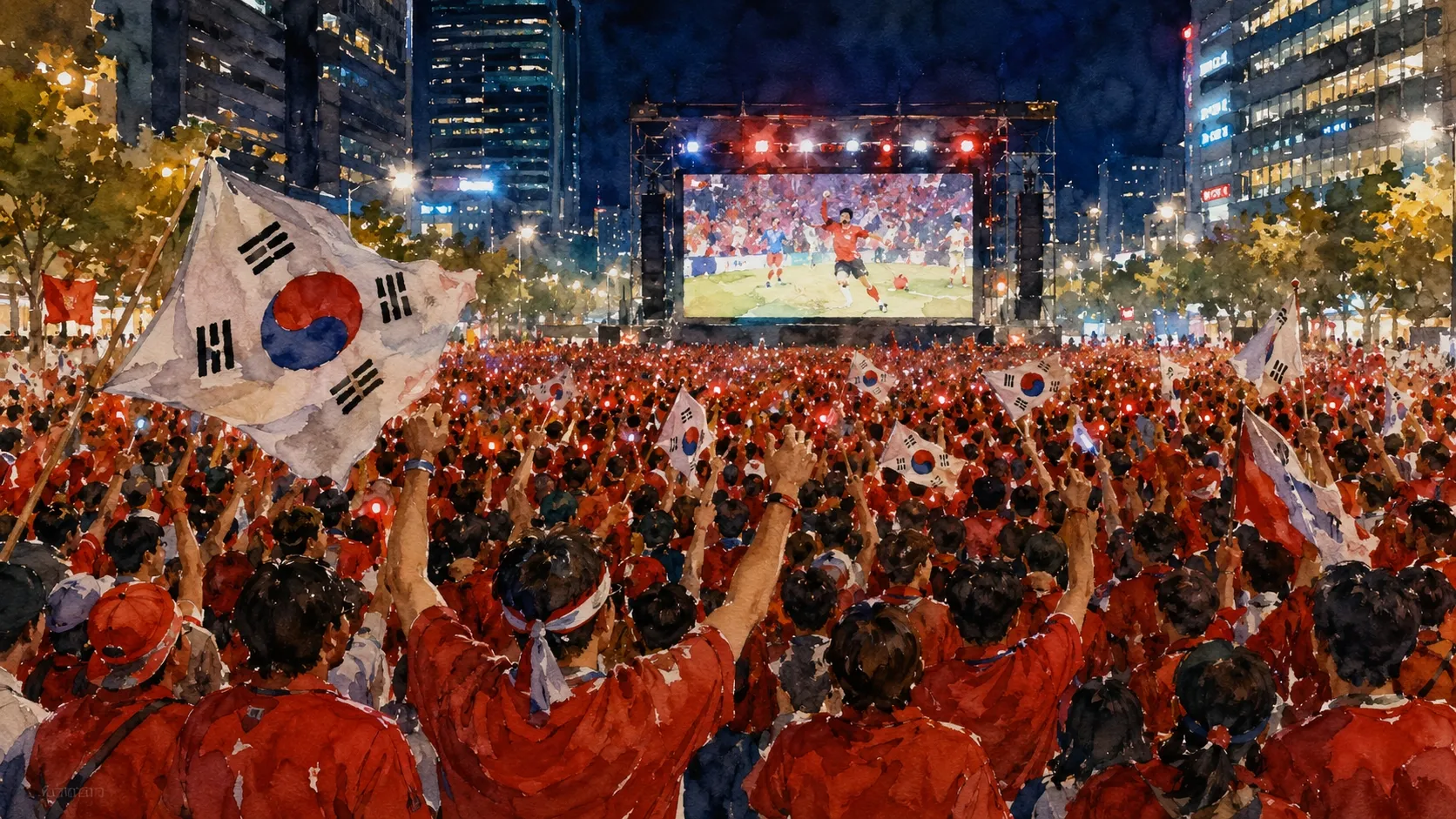
Why so quiet despite a “big event” like the World Cup? Many say it’s because the era when TV variety shows monopolized attention is over. Sure, if a 2002-style fever returns, interest could explode again. But the old days of every broadcaster fielding cheering squads and flooding schedules with specials likely won’t come back. What the industry needs now isn’t a 2002 throwback, but fresh World Cup content built for today’s viewing habits.