
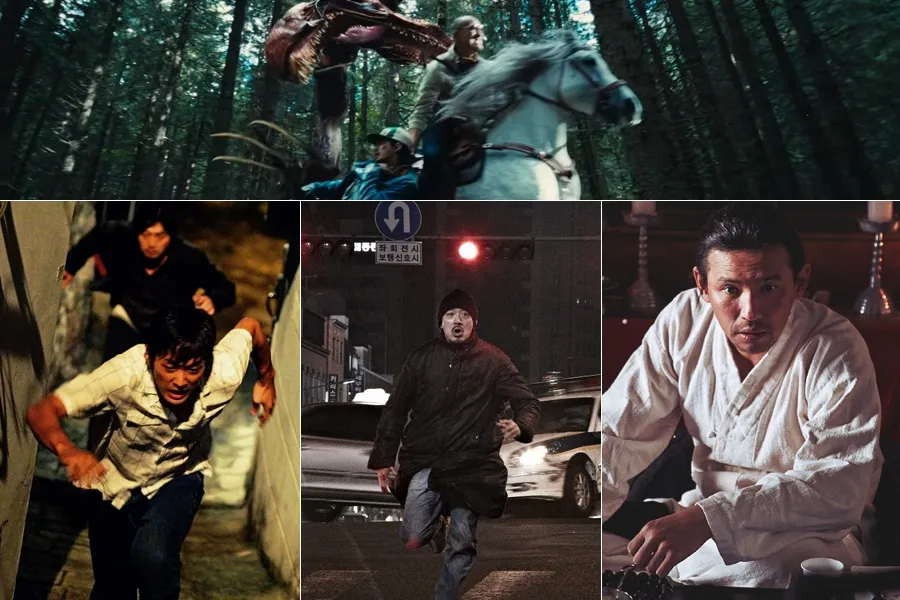
Shocking comeback alert: Director Na Hong-jin is back. With his new film Hope set to hit theaters on the 15th, buzz among Korean genre-film fans is exploding. The name Na Hong-jin doesn’t just mean box office—he’s a game-changer. With his feature debut The Chaser, he raised the temperature of Korean thrillers; with The Yellow Sea, he pushed survival instincts to the breaking point; and with The Wailing, he shattered the boundaries between faith and fear, doubt and madness. His filmography may be lean, but every release has left a scar on Korean cinema. Ahead of Hope’s premiere, here’s why his three signature works still hit like a freight train.
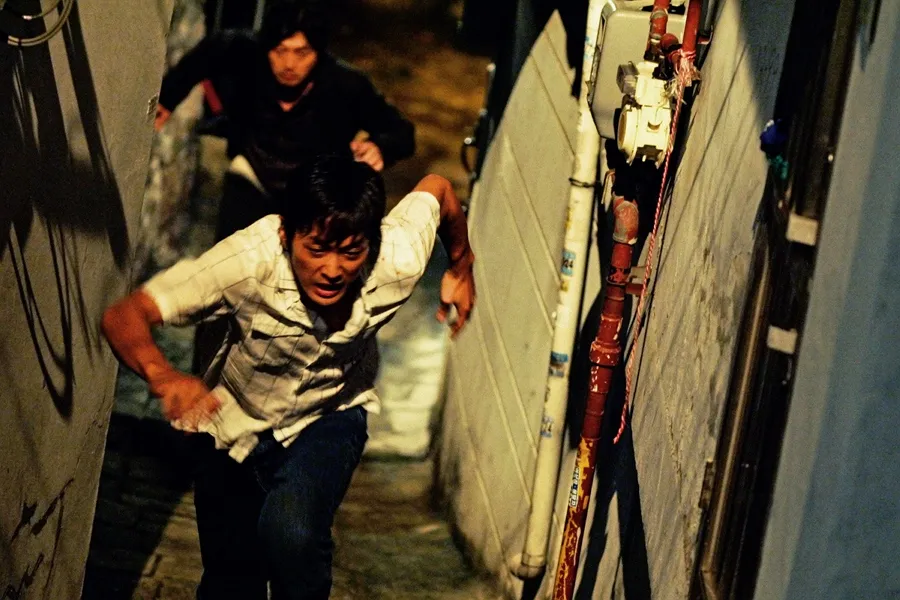
Inspired by real-life serial killer Yoo Young-chul, the 2008 film The Chaser instantly catapulted Na into the spotlight. It tracks the collision between Eom Joong-ho (Kim Yoon-seok), a former detective-turned-pimp hunting for missing massage workers, and Ji Young-min (Ha Jung-woo), a chilling serial murderer. Eom doesn’t start as a righteous hero—he’s chasing people for money. But as minutes slip away, he’s dragged into a desperate race to save a single life.
Speed is The Chaser’s killer edge. Instead of carefully laying out the crime, the film hurls viewers into the thick of it. Narrow alleys, dark rooms, rain-slick streets, ragged breathing, pounding footsteps—the screen is claustrophobic with urgency. Even when the culprit is in sight, the dread doesn’t end: institutional failure, a brutal time limit, and the chance the victim is still alive squeeze the entire film. Rather than a mystery about finding the perpetrator, it’s a relentless countdown to rescue—setting a new gold standard for Korean pursuit thrillers.
Both box office and critics went wild. Despite its adults-only rating, over 5 million tickets were sold, and the film swept major Korean awards including Blue Dragon, Grand Bell, and Baeksang. At the 7th Korea Film Awards, it dominated seven categories—Best Picture, Director, Actor, New Director, and Screenplay among them—proving Na could balance art and commerce from his debut. Kim Yoon-seok and Ha Jung-woo’s raw presence exploded through The Chaser, and Na was instantly branded a director whose “next film” audiences would line up for.

Released in 2010, The Yellow Sea reunited Na with Kim Yoon-seok and Ha Jung-woo. The story follows Gu-nam (Ha Jung-woo), a taxi driver in China’s Yanbian struggling with debt, who accepts a contract killing in hopes of finding his wife and paying off what he owes. He sneaks into Korea, but the plan unravels fast—and soon he becomes the hunted. What starts as a man’s desperate sprint to survive expands into a brutal web of crime syndicates, brokers, and power deals, dragging viewers into deeper, darker waters.
The Yellow Sea is far more feral than The Chaser. If the earlier film compressed a day-long chase, this one tears across borders and class lines, driving humans like cornered animals. Na’s trademark realism turns obsessive: characters aren’t clean-cut villains; they’re people shoved around by desire and survival instinct. Violence isn’t stylized—it feels like something you can smell and touch. The chase doesn’t give you adrenaline; it leaves you with exhaustion and despair.
Though not as explosive at the box office as The Chaser, The Yellow Sea still hit hard. Despite an adults-only rating, a near 150-minute runtime, and an unflinchingly bleak tone, it drew over 2 million viewers, then went on to Cannes’ Un Certain Regard lineup. It’s remembered less for mass appeal and more for density and persistence—proof that Na’s world refuses to take the safe route.
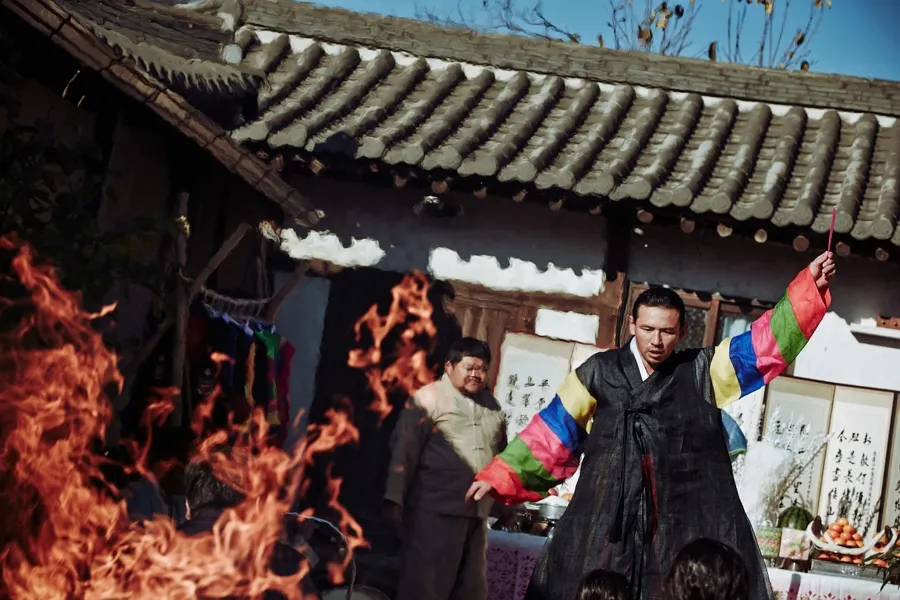
Premiering in 2016, The Wailing became Na’s biggest mainstream breakthrough. After a mysterious outsider appears in a rural village, bizarre incidents and chilling rumors spread. Policeman Jong-gu (Kwak Do-won) gets pulled into a spiraling nightmare surrounding his daughter and the town. What begins like a murder investigation mutates into a chaos of occult horror, mystery, family drama, folk beliefs, and religious dread.
The Wailing terrifies by refusing to give answers. Who is evil, what is true, and whom to trust—all remain unsettled to the last frame. Viewers doubt, fear, and waver alongside Jong-gu. Na doesn’t use horror as a mere genre gimmick; he shows how, when faith collapses, fear devours people with alarming ease. The family’s urgency—iconically captured by the line “What really matters?”—the anxiety over the outsider, and a community shaken by the unexplainable linger long after the credits roll.
The results were massive. The Wailing raced out of the gate and ultimately surpassed 6 million admissions, earned a Cannes out-of-competition invite, and scored major domestic wins for directing and overall achievement. Most of all, it ignited endless interpretations and debates: over the ending, over identities, over the meaning of good and evil—turning audiences into participants who finished the film outside the theater.
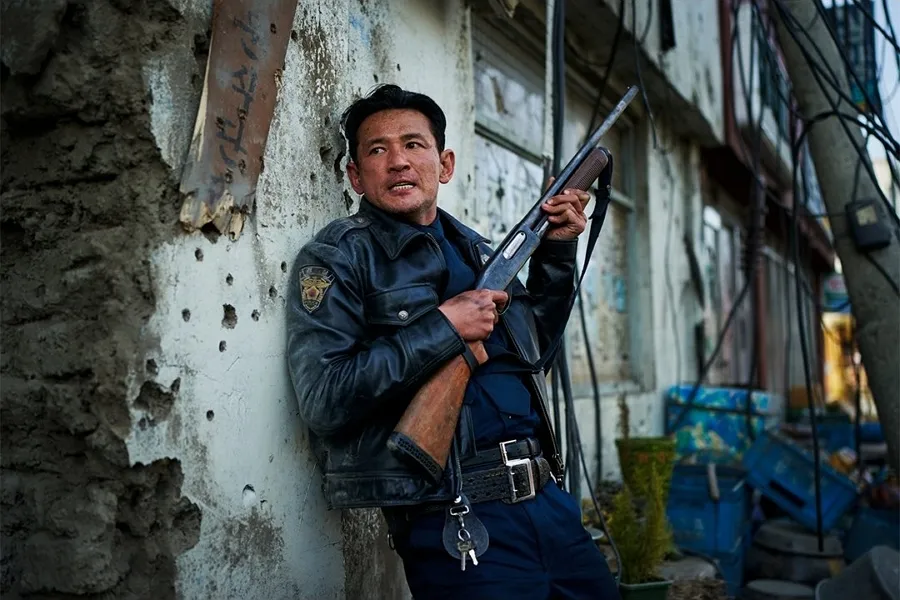
All eyes now turn to Hope—Na’s first feature in a decade since The Wailing. If his earlier films cut across crime, pursuit, survival, and the occult, Hope scales up into a major project with a fantasy–sci-fi edge. Set around the port of Hopo, with an unidentified incident and a human community facing an unthinkable reality, the premise alone screams Na’s signature anxiety and chaos coming back in force.
Na’s films were never hand-holding, but once you’re in, there’s no escape. When Hope drops on the 15th, audiences expect to confront, once again, the “uncomfortable, searing world” only the name Na Hong-jin can summon.