
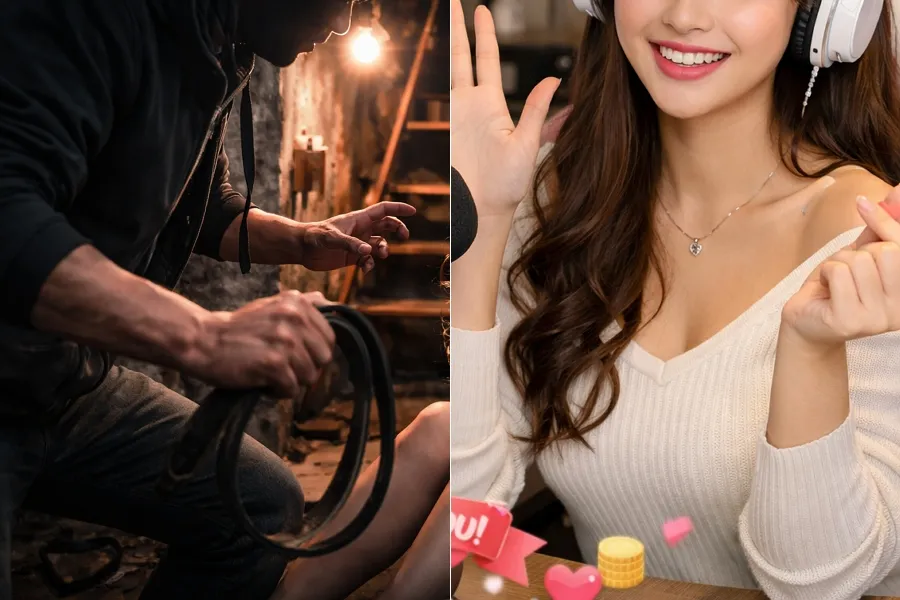
A man in his 30s, identified as A, widely known as the older brother of a household-name female idol member, was arrested on the spot for allegedly molesting female streamer B—sending shockwaves through the entertainment industry and beyond. What began as a suspected sexual assault has rapidly snowballed into a mega-scandal, now entangled with a wife’s terrifying domestic abuse revelations, illegal filming allegations, and even suspicious mass deletions of portal news articles.
The incident reportedly began with a paid-fan perk on a livestreaming platform: a 'meal date pass.' On the 12th, A watched B’s stream and tipped a large sum to secure the meal date. While dining with passionate fans sometimes happens in streaming culture, creators typically set strict safety guidelines. Trusting A’s repeated promise that there would be "no sexual contact," B met him for dinner on the evening of the 14th at a restaurant in Seoul’s Gangnam District.
But the promise was a ruse. After the meal, A lured B to his home under various pretexts. The moment they entered, his demeanor flipped, and he allegedly attempted forceful physical contact. Police, responding to B’s panicked call, arrested A at the scene on suspicion of violating the Act on Special Cases Concerning the Punishment of Sexual Crimes.
Weighing the seriousness of the case, the victim’s statements, and the scene conditions, the Gangnam Police applied for A’s arrest warrant on the 17th. However, on the 18th, the Seoul Central District Prosecutors’ Office declined to forward the request to the court, citing "insufficient evidence of suspicion." The move sparked immediate backlash. Despite an on-the-spot arrest and the victim’s consistent testimony, the warrant was effectively tossed at the prosecution stage—fueling intense public doubt.
The controversy centers on two flashpoints. First, the perceived nullification of an on-the-spot arrest: critics argue that rejecting the warrant for lack of substantiation exposes serious gaps in victim protection. Second, suspicion of behind-the-scenes influence: online, many question whether A’s ties to a famous celebrity family—and the possible involvement of a powerhouse law firm—played a role, reviving the age-old claim that the rich walk free while the poor are punished.
Public outrage intensified over what appeared to be widespread article takedowns. Early reports hinting that A is the brother of a specific idol member briefly hit the portal front pages—only to vanish within hours, with many links returning "page not found." Community users captured and shared URLs disappearing in real time.
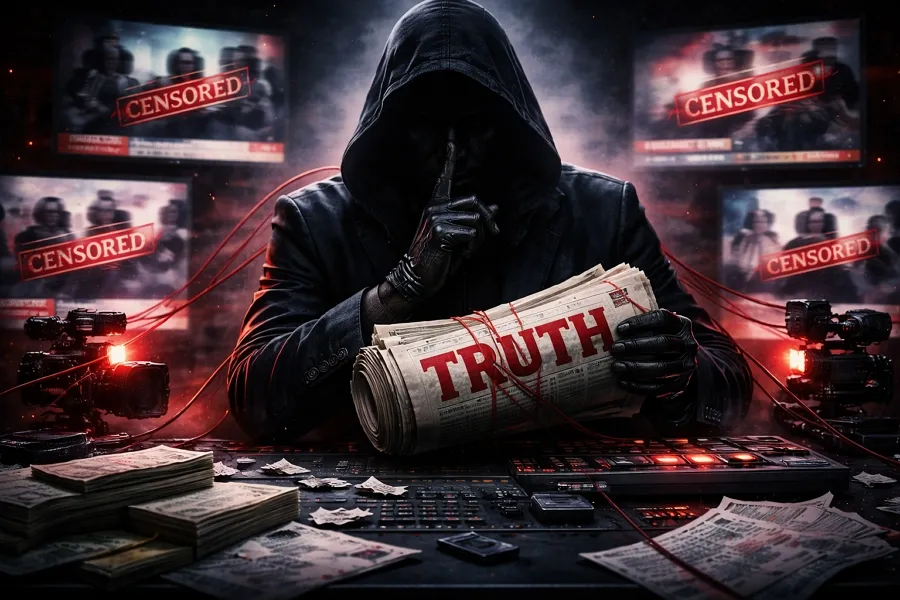
The leading theory: aggressive media control by the idol’s agency, which is part of A’s family circle. To protect the group’s image, the label may have pressured outlets to delete stories—threatening legal action like defamation suits—or flooded the portal with temporary takedown requests on the grounds that A is an unconvicted suspect.
But the cleanup attempt appears to have triggered the Streisand effect. Sensing information control, netizens began archiving full articles on overseas servers and social platforms, spreading the story even further.
Then came an even more explosive turn: a woman identified as C—believed to be A’s wife—posted allegations that A repeatedly committed death threats, beatings, verbal abuse, forced sex, and even water torture. She also claimed A coerced her into getting matching tattoos and installed CCTV at home to monitor her every move via smartphone. C uploaded photos of bruises, laying bare what she described as a horrific marriage. The use of the term 'water torture' led many to fear that this was not mere assault or verbal abuse, but degrading, torture-level cruelty carried out inside the home—sparking nationwide shock.
Adding to the uproar, SBS’s current affairs program Curious Story Y initially announced it would accept tips regarding A following C’s revelations—then abruptly deleted the post. The show stated that "after internal discussion, we removed the call for tips, but reporting continues." Still, many, recalling the earlier wave of article deletions, suspect an 'invisible hand' is pressuring even broadcasters.
This scandal lays bare deep-rooted societal ills: predatory sex crimes that lure women under false pretenses, horrifying domestic abuse behind closed doors, and attempts to bury the truth through power and money. Many say it’s a microcosm of the dark challenges South Korean society must confront.