
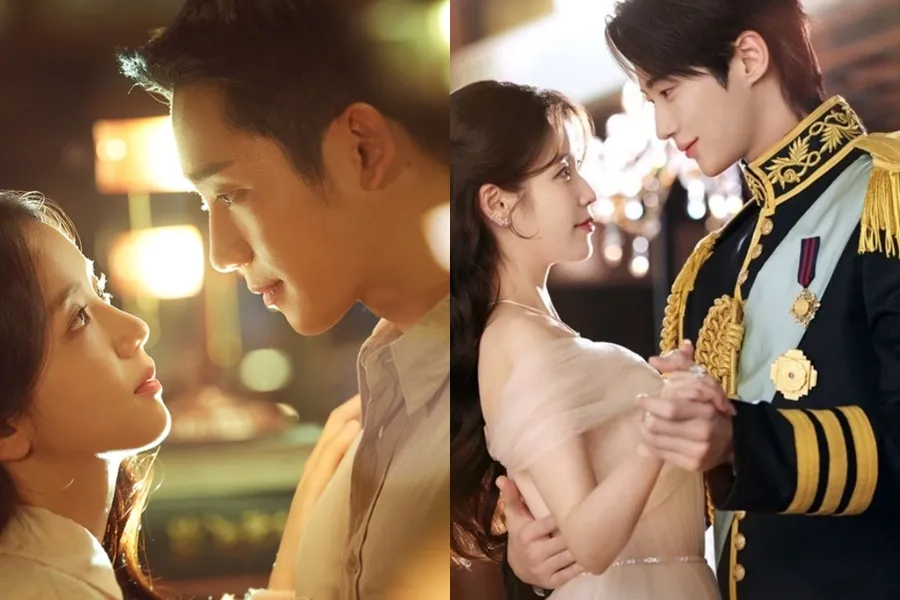
As public awareness of history reaches new heights, viewers are scrutinizing media more sharply than ever. A recent authenticity controversy triggered by a now-completed drama has once again proved just how strict society’s standards have become regarding the portrayal of history on-screen.
The backlash erupted during the coronation scene of Grand Prince Ian (played by Byun Woo-seok) in Episode 11 of MBC’s Friday–Saturday drama Perfect Crown, which aired on the 15th. In the scene, courtiers shout ‘cheonse’—a term used for vassal states—instead of ‘manse,’ the honorific for an emperor; yet the king himself appears wearing a nine-stringed ‘myeonryugwan’ crown (gu-ryu myeonryugwan) typical of a vassal state, not the twelve-stringed imperial ‘myeonryugwan’ (sibi-ryu myeonryugwan)—a jarring mismatch that viewers flagged as a serious factual error. After the episode aired, comments like “This is severe historical distortion” and “Did they even do basic research? What a national embarrassment” poured in, with some even demanding the series be scrapped.
As the controversy spread and calls grew to claw back government support funds used for the drama, the Broadcasting, Media and Communications Committee issued an official clarification on the 20th. The committee stated, “The only support provided was a total of 3.1 million won for one staff member’s airfare and lodging to attend an overseas investor presentation,” adding, “This was purely to cover event expenses; no production costs for the drama itself were subsidized.”
Ultimately, MBC bowed to the criticism. On the 22nd, the network announced it would completely delete the problematic scene from Episode 11. “Because we must push the revised version to VOD and multiple OTT platforms, final completion will take a few days,” the broadcaster explained.
Still, public opinion remains sharply divided. On viewer forums, many argue against scrapping the show. Detractors of the ‘scrap it’ movement insist, “Perfect Crown is modern fantasy, not a historical piece,” “It has a clearly fictional world-building—branding it as historical distortion or tied to broader geopolitics is excessive,” and “Please defend the drama’s cultural value with active measures from the producers.” With both sides entrenched, the debate is unlikely to cool anytime soon.
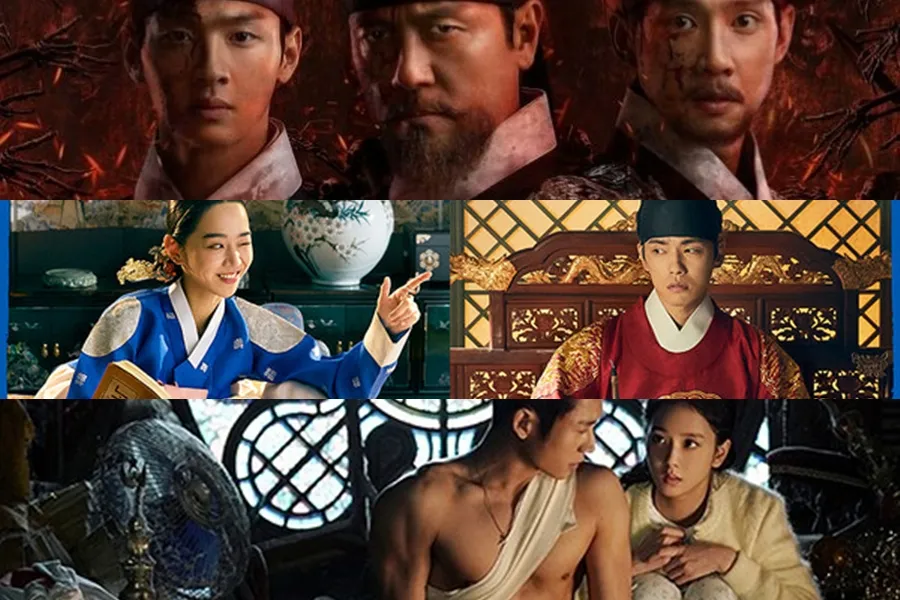
This isn’t the first time a K-Drama has faced intense backlash over historical facts or settings. Past flashpoints include SBS’s Joseon Exorcist, tvN’s Mr. Queen, and JTBC’s Snowdrop.
Aired in 2021, Joseon Exorcist depicted the struggle between evil spirits and exorcists in the Joseon era but was slammed for severe historical distortion and indiscriminate use of Chinese-style props. The powerful boycott that followed led to an unprecedented outcome: the drama was completely canceled after just two episodes. That same year, Mr. Queen also faced early criticism for distorting history, prompting the production team to issue an official apology and overhaul fictionalized portrayals of real historical figures. Despite ending with a strong 17% rating and commercial success, the show’s streaming availability was paused for a time—though it has since returned on platforms like TVING and Netflix.
Starring BLACKPINK’s Jisoo and actor Jung Hae-in, Snowdrop sparked concern even before airing that it might distort the 1987 pro-democracy movement.
The romance between a North Korean spy male lead and a college student who helps him drew criticism for allegedly glamorizing North Korean espionage and potentially validating the “spy” label the military dictatorship used to smear pro-democracy activists at the time. JTBC dismissed the concerns as “baseless speculation unrelated to production intent” and pushed ahead, but the show was dogged by accusations of beautifying the security agency, sponsors pulled their ads, and ratings languished in the single digits before it wrapped on a sour note.
Today’s viewers aren’t swayed solely by star power or dramatic thrills. They also judge a work’s historical responsibility and accuracy with laser focus. As Korean media’s influence crosses borders into the global market, producers and actors alike may need to shoulder a greater sense of social responsibility when bringing stories to life.